
What Airline Catering Operations Actually Need From a Food Distributor
Running food supply for airline catering is a different beast compared to restocking a restaurant or filling a corporate canteen. The pressure is relentless. Flight schedules don’t flex for a late delivery, and a missing ingredient at 4am doesn’t just mean an unhappy chef — it means a delayed trolley, a complaint logged with the airline, and a contract at risk.
The Triangle Farm and Bellville industrial corridor, which sits just off the N1 close to the Voortrekker Road interchange, has become a busy hub for food businesses serving Cape Town International Airport. Caterers working out of this area deal with a very specific supply problem: they need airline food distributors who can match the pace and precision of aviation operations, not just suppliers built for weekly retail restocking.
What that actually looks like in practice comes down to four things: temperature-controlled delivery, consistent product availability, flexible order windows, and a distributor who understands compliance. Most wholesale grocers in the area handle the basics fine. But the moment you need HACCP-traceable documentation on every delivery or a 2am top-up run before a morning wave of departures, the list of capable partners gets short fast.
This is the gap that good food distributors operating in the Cape Town aviation supply chain fill. If you’re sourcing products for airline catering and haven’t reviewed your distribution setup recently, it’s worth taking a hard look at whether your current supplier is actually built for this kind of demand.
Cold Chain Requirements Specific to Airline Catering
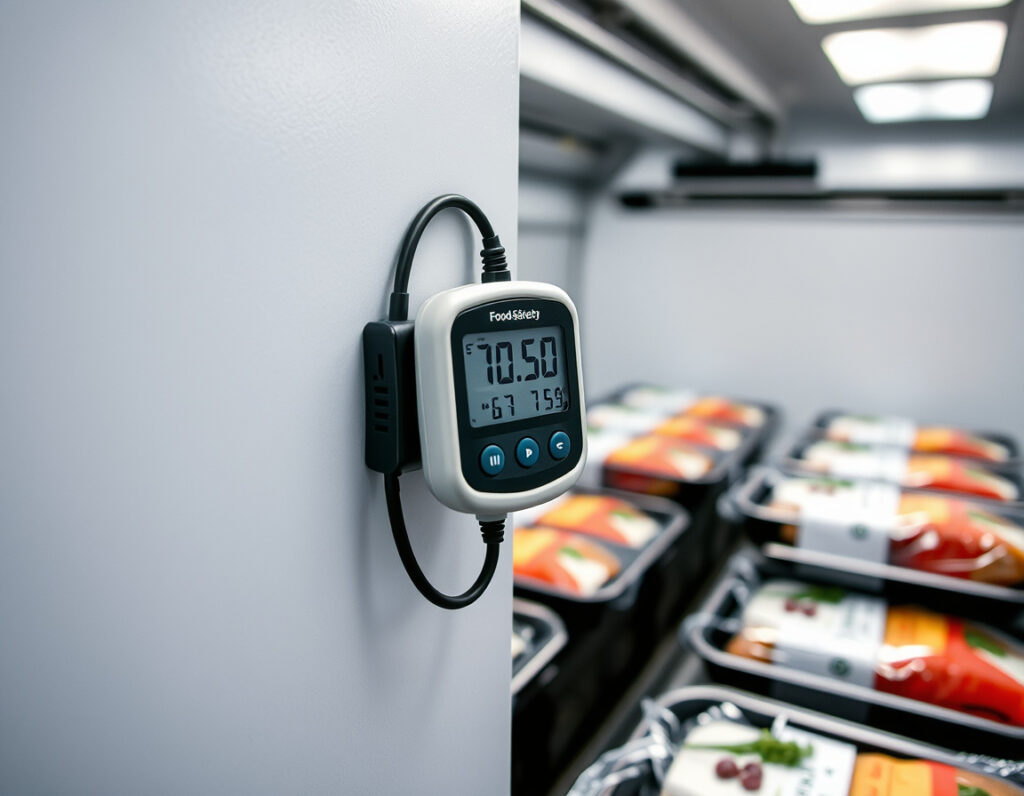
The cold chain requirements for airline catering go well beyond what a standard chilled delivery covers. The International Air Transport Association catering standards set out strict temperature control windows for different food categories. Proteins need to stay below 4°C from the moment they leave the distributor’s facility to the point of loading. Any break in that chain — a vehicle with a faulty reefer unit, a staging area without adequate cooling — creates a food safety incident that your HACCP log has to account for.
For caterers operating near the Stikland and Bellville areas, finding a bulk food distributor who operates refrigerated vehicles with temperature logging isn’t optional. It’s a baseline. The City of Cape Town’s environmental health directorate conducts routine checks on food businesses supplying public transport catering, and documentation gaps get noticed.
When evaluating a distribution partner for this kind of work, ask specifically about their cold chain monitoring process during transit. How frequently is temperature logged? What happens when a deviation is recorded? A distributor who can answer those questions clearly, with documented SOPs, is one worth taking seriously.
Sourcing Volumes and Product Range for Flight Catering in the Cape Town Area
Cape Town International Airport handles a significant volume of both domestic and international departures, and the catering volumes attached to those flights aren’t trivial. A single long-haul international service can require hundreds of individual meal components, each sourced, assembled, and loaded within a tight pre-departure window.
Wholesale food suppliers who service this segment need to carry a product range that goes beyond dry goods. You’re looking at fresh produce, chilled proteins, dairy, condiments, ambient snack products, and beverage components — often all sourced from one or two distribution partners to simplify logistics and reduce the number of delivery windows you’re managing.
The Carinus Street and Proton Crescent area in Triangle Farm is home to several food businesses already operating at this kind of scale. But proximity to supply doesn’t automatically mean the right product mix. A distributor might have strong dry goods depth but weak fresh produce availability, or solid stock levels during the week that drop off heading into the weekend when flight schedules actually peak.
This is where working with food distributors South Africa-wide — rather than purely local wholesalers — makes a practical difference. A distributor with national reach can buffer local stock gaps by pulling from other distribution centres, keeping your airline supply chain moving even when a local supplier has a shortfall.
For a detailed breakdown of how airline food distributors structure their service offering, including product categories and order processes, that page gives a solid overview of what a properly equipped supplier should provide.
Managing Seasonal Demand Spikes Around Cape Town’s Tourism Calendar
Cape Town’s tourism season runs hard from November through February, with secondary peaks around school holidays in June and September. For airline catering suppliers, that means demand on your stock can jump 30 to 50 percent during peak periods while your standard delivery schedule stays the same.
Caterers near the N2 corridor heading toward the airport tend to feel this most acutely. The volume pressure arrives quickly and the lead times to restock certain lines — particularly imported specialty items used on international routes — can stretch. A distribution partner who plans ahead for seasonal demand, pre-positions stock, and communicates proactively about supply constraints is worth significantly more than one who simply processes orders as they come in.
The blog post on what makes a food distribution partnership successful long-term covers this dynamic well, particularly around how communication and forward planning separate good partnerships from transactional ones.
Compliance, Documentation, and Why Airline Caterers Can’t Skip This
Airline catering sits at the intersection of food safety law and aviation regulation. Your food safety plan has to satisfy both the South African food safety framework under the Foodstuffs, Cosmetics and Disinfectants Act and the airline’s own supplier audit requirements. That means your distribution chain needs to be as well-documented as your kitchen.
Every delivery should come with a temperature log, a batch record for traceable products, and documentation that supports your own HACCP records. If your distributor can’t provide this consistently, you’re carrying a compliance gap that will surface during your next airline audit.
The South African Department of Health’s food safety guidelines provide the regulatory baseline that food businesses and their suppliers are expected to operate against. Being familiar with those requirements makes it easier to evaluate whether a distributor is actually meeting them or just claiming to.
On the Run Marketing Cape Town works with businesses in the food distribution space across the Western Cape, helping operators connect with suppliers who carry the right documentation and compliance track record for aviation-adjacent catering. It’s a small detail that matters enormously when an airline’s procurement team comes calling for your supplier list.
If you’re unsure whether your current catering food suppliers are audit-ready, the difference between a food distributor and a food wholesaler in Cape Town is a useful starting point — it explains why the documentation and service standards differ between the two, and why that distinction matters for regulated sectors like airline catering.

Frequently Asked Questions
Can a food distributor handle both ambient and chilled products for airline catering in one delivery?
Yes, but only if the distributor operates a split-temperature fleet or uses insulated compartments for different product categories. Many general wholesalers in the Cape Town area don’t have this capability, which forces airline caterers to manage multiple delivery windows from separate suppliers. When evaluating a distributor, ask specifically about their vehicle configuration and whether chilled and ambient products can be delivered together without compromising cold chain integrity.
How early before a flight departure should an airline caterer place their food distribution order?
Most distributors operating at scale require 24 to 48 hours notice for standard orders, with some offering a shorter lead time for established accounts. For early morning departures, many caterers in the Triangle Farm and Bellville corridor place orders the previous afternoon. Building a relationship with a distributor who can accommodate urgent top-up requests outside normal order windows is a practical safety net, especially during Cape Town’s peak travel season.
What documentation should a food distributor provide to support an airline caterer’s HACCP records?
At minimum, a distributor should provide a delivery note with batch or lot numbers for traceable products, a temperature log confirming cold chain was maintained during transit, and product specification sheets for items subject to allergen or composition queries. Some airline contracts require full supplier audit certificates, which means your distributor needs to hold current food safety certification. If your current supplier can’t provide consistent documentation at this level, it’s worth reviewing your options before your next audit cycle.
Choosing the right supply chain partner for airline catering isn’t just a procurement decision — it’s a compliance and operations decision that affects every service you put on a tray. On the Run Marketing Cape Town helps food businesses in the Western Cape identify and connect with wholesale food distributors who are equipped for the specific demands of aviation catering. To find out more about what the right distribution setup looks like for your operation, visit the food distributors Cape Town service page or reach out directly through the contact page to discuss your requirements.