
What Airline Catering Operations Actually Need from a Food Distributor
Running an airline catering kitchen is nothing like running a restaurant. Delivery windows are measured in hours, not days. Every meal loaded onto an aircraft has to meet strict food safety standards, and a single missed delivery can ground a galley service entirely. For kitchens operating near Cape Town International Airport and supplying flights out of the Western Cape, getting supply right is not optional — it is the foundation everything else sits on.
The biggest operational gap most airline catering suppliers face is not product quality. It is reliability. A distributor that works fine for a hotel buffet may completely fall apart when you need 2 000 identical meal components delivered before 04:30 on a Tuesday. Airline food distributors South Africa who genuinely understand aviation catering understand this distinction, and they build their logistics around it rather than treating airline accounts the same as any other bulk buyer.
Businesses in the Belhar corridor, including those near the Belhar Islamic Primary School on Syringa Crescent and the surrounding residential and light-commercial stretch, are sitting within a reasonable supply radius of the airport precinct. That geography matters when you are evaluating which distributors can realistically hit your delivery schedule without adding a full hour of transit time onto every run.
If you are setting up or reviewing your airline food distribution account, the first question to ask any prospective supplier is not price — it is whether they have existing airline catering clients and what their on-time delivery rate looks like across those accounts.
Cold Chain Compliance at Aviation Scale
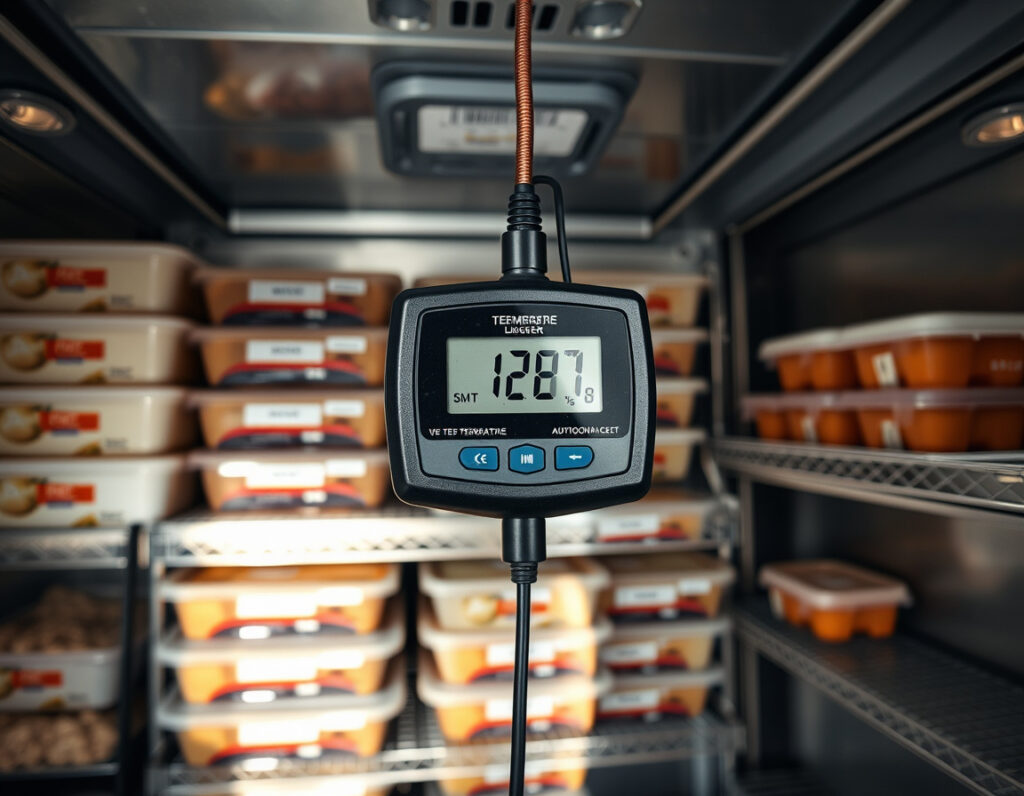
Cold chain management for airline meals is held to a different standard than general food service. The HACCP food safety framework underpins most airline catering protocols, and a distributor without documented temperature logging from warehouse to truck to delivery point is a compliance liability. Ask for their cold chain records. Good distributors have them ready.
Bulk food distributors South Africa who work in the aviation segment typically maintain dedicated refrigerated vehicles rather than splitting cold and ambient loads. That separation protects your product integrity and makes your own internal audits much cleaner. If a supplier cannot confirm dedicated cold vehicles, that is a red flag worth taking seriously before you commit to a contract.
The Belhar Area as a Distribution Hub: Geography and Timing

The Belhar area sits along the N2 and has direct connections toward the airport precinct, Bellville, and Kuils River. For airline caterers and food distributors supplying the wider Western Cape aviation corridor, this part of Cape Town offers practical route access without the congestion bottlenecks that can make inner-city distribution unpredictable.
Streets like Bloulelie Circle near the Belhar Biblioteek are part of a residential and light-commercial grid that connects to major arterials quickly. Drivers familiar with this part of the metro can move product from a Belhar-adjacent warehouse to the airport in well under 30 minutes under normal traffic conditions — a meaningful advantage when you are working against a pre-flight loading deadline.
Catering food suppliers South Africa serving the airline sector need to think carefully about warehouse positioning. A supplier based deep in the northern suburbs may offer competitive pricing but add 45 minutes of buffer time you simply do not have at 03:00 in the morning. Proximity to the N2 corridor and the airport ring roads is a legitimate selection criterion, not just a preference.
For a broader view of how food distribution across Cape Town is structured and which areas are best served, it helps to understand the full network before locking in a supplier agreement.
Why Route Reliability Matters More Than Price at 03:00
Airline catering kitchens often start production in the early hours. That means your distributor’s delivery window overlaps with the quietest and most unforgiving part of the logistics day. There is no traffic management team to call. There is no second shift supervisor who can renegotiate a delivery slot. The product either arrives or it does not.
Wholesale food suppliers South Africa who excel at airline accounts have dedicated early-morning runs, backup driver protocols, and clear escalation contacts for their airline clients. Before signing any supply agreement, confirm what happens when a driver calls in sick at midnight. A distributor with no answer to that question is not ready for the aviation segment, regardless of how good their pricing sheet looks.
The blog post on what makes a food distribution partnership successful long-term covers several of these operational alignment points in detail — worth reading before you evaluate any new supplier.
Product Range and Specification Consistency for Flight Kitchens
Airline meal production runs on specifications. Every component — from the 80g protein portion to the specific bread roll variant — has a defined spec sheet that your catering team works to. A distributor who cannot guarantee specification consistency across deliveries creates rework, waste, and potential passenger complaints at 35 000 feet.
This is where corporate food services South Africa suppliers with aviation experience genuinely stand apart from general wholesale accounts. They maintain specification records for each client, flag substitutions before delivery rather than after, and carry enough stock depth to avoid running out of a specific SKU mid-week. General food distributors south africa may not have that level of account management built into their standard service model.
Dry goods are often overlooked in this conversation. Airline kitchens use large volumes of consistent dry ingredients — sauces, seasonings, starches, packaging materials. A distributor who can supply both chilled components and dry goods under a single account simplifies your ordering, your invoicing, and your compliance trail. The wholesale food distributor service page covers the product categories available and how accounts are structured for high-frequency buyers.
Near Gousblom Park in Belhar 3, there are several small food production operations that have learned this lesson the hard way — sourcing chilled product from one supplier and dry goods from another, then managing two sets of delivery schedules and two sets of documentation for every compliance audit. Consolidating through a single capable distributor saves time that flight kitchen managers genuinely do not have to spare.
Halaal Certification in the Aviation Supply Chain
A significant proportion of flights departing Cape Town carry passengers requiring Halaal-certified meals. For airline caterers, that means your entire supply chain for Halaal meal components needs to trace back to a certified source. The two primary certification bodies in South Africa — the Muslim Judicial Council (MJC) and SANHA (South African National Halaal Authority) — are both accepted by most major airlines, but individual airline contracts sometimes specify one over the other.
Your distributor needs to clearly state which certification their products carry and provide documentation on request. A supplier who is vague about certification status, or who conflates MJC and SANHA as interchangeable without checking your airline client’s contract requirements, can create a compliance failure at the worst possible moment. Confirm this in writing before you place your first order. The frequently asked questions page addresses certification queries that come up regularly from new accounts.
Frequently Asked Questions
What minimum order volumes do airline food distributors typically require in Cape Town?
Minimum order quantities for airline catering accounts vary by distributor, but most suppliers serving the aviation sector in Cape Town work with weekly volume commitments rather than per-order minimums. A typical arrangement might require a weekly spend threshold or a fixed delivery frequency. Flight kitchens producing for multiple airlines simultaneously usually clear these thresholds easily. Smaller specialist caterers handling a single airline contract may need to negotiate a combined ambient and chilled order to meet minimums efficiently. Always ask for the MOQ structure in writing and confirm whether it applies per delivery or per week.
How do I verify that a food distributor’s cold chain meets airline catering compliance requirements?
Ask for their HACCP documentation, temperature logging records from the past three months, and confirmation of their vehicle sanitation schedule. Reputable airline food distributors will have this ready or be able to produce it within 24 hours. You should also check whether their warehouse and vehicles are audited by an independent third party, and whether they carry any food safety certifications beyond their own internal records. The South African Department of Agriculture, Land Reform and Rural Development sets the regulatory baseline for food safety standards that distributors operating at this level are expected to meet.
Can a single distributor supply both chilled and dry goods for an airline kitchen in the Cape Town area?
Yes, and consolidating is strongly advisable for flight kitchens. Managing two separate supplier relationships, two delivery schedules, and two sets of compliance documentation adds administrative load that compounds during peak periods. Good food distributors serving the airline sector typically carry both ambient dry goods and chilled or frozen product lines. Confirm the full product category list before onboarding and ask specifically about spec sheet management for your key SKUs, so you are not caught out by substitutions mid-production run.
Getting the Right Supply Partner in Place
Airline catering is an exacting environment, and the supply chain behind it needs to match that standard. Whether you are operating a dedicated flight kitchen near the airport precinct or managing catering contracts from a facility in the broader Belhar and Bonteheuwel area, the distributor you choose will either make your production schedule easier to hold or introduce a constant source of friction into your operation.
On the Run Marketing Cape Town works with food businesses across the Western Cape to connect them with the right distribution infrastructure for their specific operating model. If you are reviewing your current supply setup or building out a new airline catering account from scratch, the contact page is the fastest way to start that conversation. The team at On the Run Marketing Cape Town understands the local supply geography, the certification requirements, and the operational pressure points that airline caterers in this corridor deal with daily.
Getting supply right takes more than a good price list. It takes a distributor who shows up on time, every time, with the right product in the right condition. That is the standard the aviation sector runs to, and it is the standard your supply partner should be held to as well.