
Why Beverage Distribution in Cape Town’s Tygerberg and Winelands-Fringe Areas Is More Complicated Than It Looks
Sourcing beverages at scale sounds straightforward until you’re managing weekly orders across multiple SKUs, juggling temperature requirements for ambient and chilled lines, and waiting on a delivery that never shows up because your area sits just outside a distributor’s standard route. For food and beverage businesses in and around Cape Town’s Northern Suburbs, this is a recurring problem, not an occasional one.
The coordinate where many of these businesses operate sits roughly in the Tygerberg basin, pulling in buyers from Bellville, Kuilsrivier, Kraaifontein, and as far as the Winelands-fringe stretching toward Brackenfell and beyond. The R300 highway and the N1 corridor are the arteries these deliveries depend on. When a beverage distributor doesn’t service the industrial pockets tucked off Okavango Road or the retail strips along Willie van Schoor Avenue in Bellville, entire buyer segments are left scrambling for alternatives.
The drinks category spans still and sparkling water, fruit juices, energy drinks, cordials, and foodservice-specific lines like syrups and concentrates. Each of these has different storage needs, different minimum order quantities, and different price structures depending on whether you’re buying for a corporate canteen, a school kitchen, or a busy catering operation. Understanding how wholesale beverage supply chains actually work in this part of Cape Town is the first step toward making smarter procurement decisions.
The Route Gap Problem Along the R300 and N1 Corridors
Many large food distributors South Africa-wide operate hub-and-spoke systems, with Cape Town hubs typically positioned in Salt River, Parow, or Epping. Routes radiate outward, but coverage often drops off past Bellville central or skips entirely through semi-industrial zones like Kuilsrivier West and parts of Kraaifontein. Buyers who call to enquire get a vague answer about “extended delivery areas” and higher minimum spend thresholds that price them out.
For beverage-heavy operations, this is a serious issue. A school in Kuils River ordering concentrated juice and bottled water weekly, or a corporate canteen near Okavango Road sourcing filtered water dispensers and hot-beverage consumables, cannot absorb unpredictable lead times. If your current supplier’s route map doesn’t explicitly cover your street or industrial estate, it is worth checking a verified Cape Town food distributor that publishes its actual delivery zones before committing to an account.
Chilled and Ambient Lines Require Different Handling
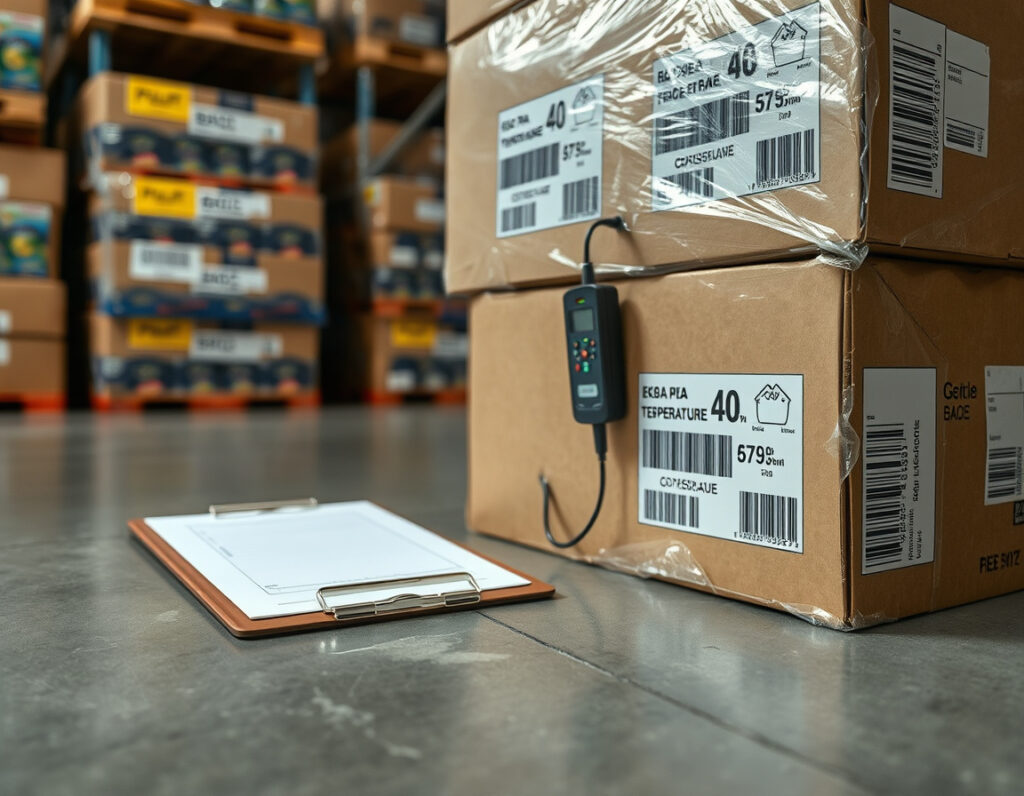
Not all beverages travel the same way. Ambient products like UHT juices, still water, and energy drinks are relatively forgiving. Chilled lines, including fresh juices, dairy-based drinks, and certain functional beverages, need cold-chain management from warehouse to door. South Africa’s load shedding reality has made this harder. A cold chain disruption during a four-hour outage at a poorly equipped depot can result in product arriving out of specification, forcing buyers to reject the delivery and scramble for same-day replacements.
This is why buyers in the area around Bellville and Brackenfell increasingly ask distributors specific questions about backup power at storage facilities. According to South Africa’s National Regulator for Compulsory Specifications, beverages sold for human consumption must meet defined storage and handling standards throughout the supply chain. That obligation sits with every party in the chain, including the distributor. Choosing a bulk food distributor that can demonstrate generator backup or UPS-protected cold rooms is a legitimate, practical due diligence step, not overcaution.
What Good Beverage Distributors Actually Offer Buyers in This Area

The difference between a supplier that fills orders and one that actively supports your business shows up in the details. Buyers running catering operations, hospitality kitchens, or corporate food services along the Northern Suburbs corridor often describe the same gap: a distributor who delivers correctly nine times out of ten but goes quiet when there’s a problem on the tenth.
Good wholesale food suppliers South Africa-wide share a few consistent characteristics in the beverage category. They maintain a broad range across ambient, chilled, and hot-beverage consumables. They offer transparent pricing with a clear minimum order value rather than opaque tiered pricing that shifts without notice. They communicate proactively about stock shortages, particularly on high-velocity lines like still water and RTD (ready-to-drink) products that move fast in summer months. And they offer actual account management, not just an email address.
For operators sourcing beverages alongside dry goods or catering supplies, consolidating with a single reliable distributor reduces admin time and simplifies delivery scheduling. You can read more about how catering food supplies and beverage lines can be coordinated through one supplier account. It is also worth reviewing how wholesale food distributors structure their account terms so you know what to expect before signing anything.
Payment Terms and Credit Facilities for Beverage Buyers
Cash flow is tight for most food businesses. Beverage orders in particular can carry high upfront cost because of volume requirements. A school ordering 500 units of juice monthly or a caterer sourcing 20 cases of energy drinks per event needs predictable payment cycles, not a 7-day EFT requirement that strains the working capital account.
Most food distributors in the greater Cape Town area offer 30-day credit terms to established businesses with a track record. New accounts typically start on prepayment or COD for the first two to three orders, then move to credit once the relationship is established. If you’re setting up a new operation near Kraaifontein or just expanding your beverage range into a corporate canteen in Bellville, ask your prospective distributor specifically what the credit application process looks like and what documentation they require. The Western Cape Government’s business support resources also provide guidance on supplier contract basics for small and medium food businesses navigating formal distribution agreements for the first time.
Halaal Certification and Beverage Sourcing in the Northern Suburbs
The area around Bellville, Parow, and the broader Tygerberg corridor has a large Muslim-majority population. For food businesses serving this community, Halaal certification is not a nice-to-have. It is a baseline requirement. Beverages are not exempt. Many cordials, flavouring syrups, fruit blends, and energy drinks contain additives or processing aids that require explicit certification before they can be stocked or served in a Halaal-compliant environment.
The practical challenge is that certification status varies by product, batch, and supplier. A distributor who stocks a Halaal-certified version of a popular syrup brand does not automatically guarantee that every variant in that range carries the same certification. Buyers sourcing for school tuck shops, corporate canteens, or catering operations serving Muslim clients in this part of Cape Town need to confirm certification at the SKU level, not just the brand level. Ask your distributor to provide the relevant certification documents for any beverage line before adding it to your standing order. This is standard practice among good food distributors operating in this area and should not be treated as an unusual request.
Practical Steps to Verify Halaal Compliance Across Your Beverage Range
Start by listing every beverage line you currently stock or plan to stock. Cross-reference each product against your distributor’s certification records. For products where documentation is missing or outdated, request an update in writing before your next order cycle. If a distributor cannot provide this, that is useful information. It tells you something about how they manage their supply chain documentation overall, not just for Halaal lines.
Buyers in this area can also look at how corporate food services handle Halaal compliance at scale, since corporate canteen operators in the Northern Suburbs face the same SKU-level verification requirement across much larger product volumes. The process is the same, just multiplied.
Frequently Asked Questions
Does a beverage distributor cover areas like Kraaifontein and Kuilsrivier, or only central Cape Town?
Coverage varies significantly by distributor. Many large suppliers focus primary routes on central Cape Town, Parow, and Bellville, leaving buyers in Kraaifontein, Kuilsrivier, and the Winelands-fringe areas on extended or ad hoc delivery schedules. Before opening an account, ask the distributor to confirm your specific address falls within a regular weekly route, not just a “we can arrange delivery” catchment that adds unpredictable lead times to your order cycle.
What is the typical minimum order quantity for wholesale beverage accounts in Cape Town?
Minimum order values for beverage-focused wholesale accounts in the Cape Town area typically range from R1,500 to R3,000 per delivery, depending on the distributor and the product mix. High-volume ambient lines like bottled water often carry lower MOQs per SKU, while chilled or specialist beverage lines may require higher volume commitments. Consolidating your beverage order with dry goods or catering supplies through a single distributor often helps you meet minimum thresholds more easily.
How does load shedding affect beverage deliveries and cold-chain reliability in the Northern Suburbs?
Load shedding affects beverage distribution primarily through cold storage integrity and vehicle scheduling. Distributors without backup power at their cold rooms risk storing chilled beverages outside of safe temperature ranges during extended outages, which can affect product quality. On the delivery side, traffic disruption during load shedding periods can push route schedules back by several hours. Asking your distributor about their backup power setup and whether they adjust route timing during Stage 4 or higher load shedding is a reasonable question that good distributors will answer directly.
Beverage procurement in the Tygerberg basin and its surrounding areas does not have to be a constant source of friction. The right distribution partner covers your delivery area reliably, holds the certification records you need, and structures payment terms that work for your business cycle. On the Run Marketing Cape Town works with operators across this area to connect buyers with distribution solutions that actually match their location, volume, and compliance requirements. Whether you’re sourcing for a school kitchen near Kraaifontein, a corporate canteen off Willie van Schoor Avenue, or a catering operation running events across the Northern Suburbs, reach out to On the Run Marketing Cape Town to discuss your beverage distribution needs directly.