
Why Beverage Distribution in Delft Operates Differently From the Rest of Cape Town
Delft sits in a dense, fast-moving part of the Cape Flats corridor, bordered by Leiden Avenue to the north and the busy Hindle Road and Delft Main Road intersection that most residents know as the commercial spine of the suburb. Businesses here, whether they run a spaza, a small café, or a community function hall near the New Apostolic Church on Leiden Avenue, deal with a very specific supply problem: getting consistent, correctly-priced beverage stock without paying retail markups or dealing with erratic delivery windows.
The SERP landscape around this area is dominated by restaurants, bakeries, and fast food outlets. None of them address what operators actually need on the supply side, which is access to bulk beverage distributors who understand the Cape Flats trading environment. That gap matters. A KFC franchise on Delft Main Road has a national supply chain behind it. The independent café owner two streets away does not.
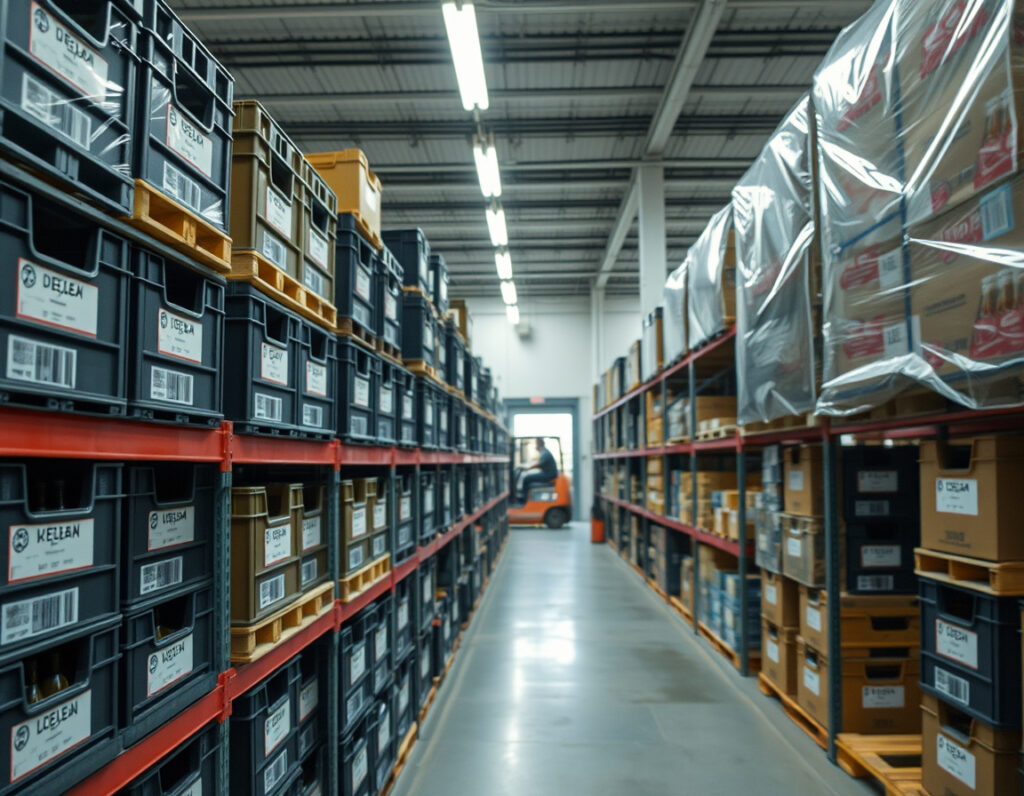
Beverage distribution carries distinct challenges compared to dry goods. Temperature sensitivity, breakage risk during transit, product rotation schedules for carbonated drinks, and minimum order quantities that don’t match small-format retail needs all create friction points. Understanding how wholesale food suppliers south africa structure their beverage categories is the first step to making a smarter purchasing decision for your operation.
For a broader picture of how food distributors serve the Western Cape market, the Food Distributors Cape Town service page breaks down the supply categories, delivery reach, and account structures available to buyers across the metro.
The Volume Problem for Small Beverage Buyers in Delft
Most bulk food distributors south africa set their minimum order quantities around the needs of large-format retail or chain catering. That leaves smaller operators in suburbs like Delft, Belhar, and Matroosfontein ordering less than the MOQ and either paying delivery surcharges or making the trip to a cash-and-carry themselves. It is a time and margin drain that adds up fast over a month.
The fix is finding a distributor who structures accounts around your actual buying frequency, not just your single-order volume. Some food distributors south africa offer consolidated route delivery, where multiple smaller accounts in the same geographic cluster share a single drop, which brings the per-unit cost down for everyone. If you are based along the Oak Court and Sandelhout Street corridor in Delft, ask prospective suppliers specifically whether they run a Cape Flats consolidated route.
Also worth reading: What Are the Most Common Food Distribution Mistakes Small Businesses Make? covers account setup errors that routinely cost small beverage buyers more than they realise.
Halaal Certification and Beverage Lines: What Delft Buyers Need to Check
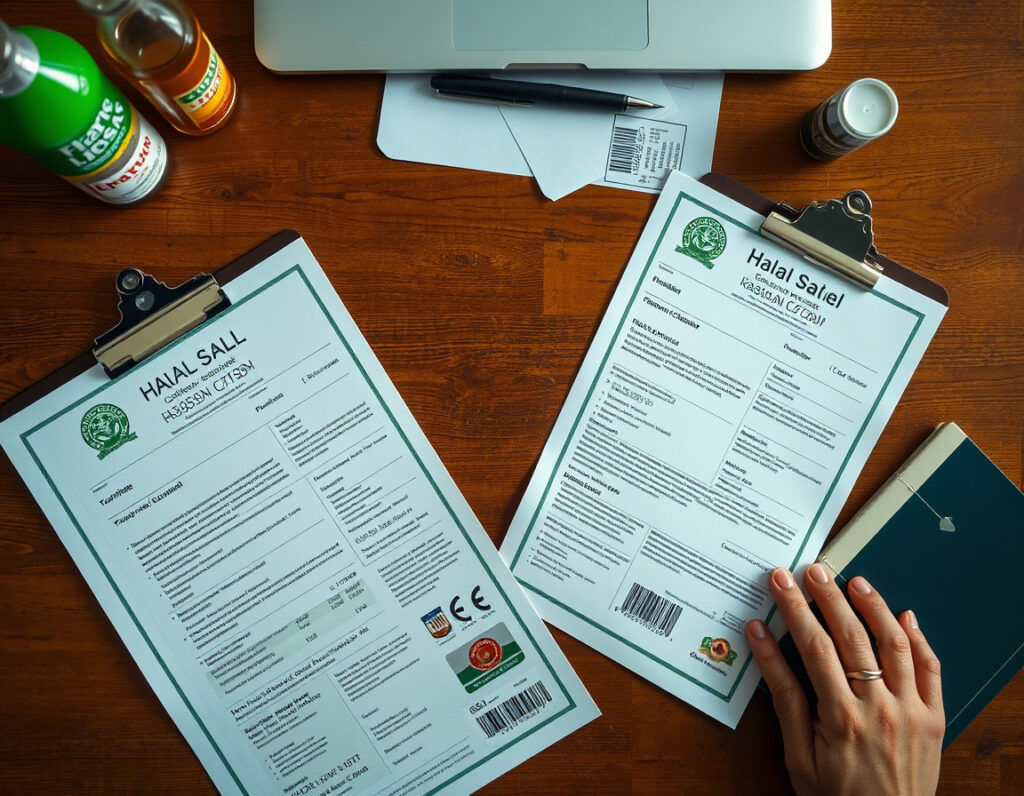
Delft is a predominantly Muslim community. The vast majority of food and beverage sales in this area are governed by halaal compliance requirements, and this applies to beverages in ways that many first-time buyers overlook. It is not just about alcohol exclusion. Flavour compounds, colourings, and certain carbonation additives in soft drinks and fruit-based beverages can carry halaal concerns depending on their source.
When you are sourcing stock for a tuck shop near the New Apostolic Church Leiden Central, a community event space on Hindle Road, or a catering operation in the Delft South precinct, your supplier needs to provide current, verifiable halaal certification documentation for every beverage line you carry, not just a blanket assurance that their products are generally certified.
Good food distributors will have this paperwork readily accessible, either through a supplier portal or on request with a short turnaround. If a sales rep cannot produce product-level halaal certificates within 24 hours, treat that as a red flag about how they manage compliance across the rest of their catalogue too.
The Local Wholesale Food Distributors and Suppliers for Reliable Deliveries page outlines what a well-structured account looks like, including the compliance documentation buyers should expect from a serious wholesale partner.
Reading Product Rotation Schedules Before You Sign a Supply Agreement
Carbonated beverages, juices, and dairy-based drinks all have shelf lives that intersect badly with infrequent delivery schedules. A beverage distribution agreement should always specify the minimum remaining shelf life on delivery, sometimes called the “freshness guarantee” in supplier contracts. Standard practice among reputable catering food suppliers south africa is to guarantee at least 70% of a product’s total shelf life remaining at the point of delivery. Anything lower and you are absorbing wastage risk that should sit with the supplier.
For operations in Delft and the surrounding Cape Flats suburbs, delivery frequency is often weekly or fortnightly. That makes shelf-life guarantees even more important, because you have less flexibility to return or exchange stock before it turns. Pin this number down in writing before agreeing to any supply terms.
The Food Distribution in Delft and Matroosfontein local content piece gives additional context on how township-based businesses in this corridor can structure their supply agreements for better protection.
Choosing the Right Supplier Account Structure for a Beverage-Heavy Operation
Not all distributor accounts are built the same. Some are corporate food services-oriented, designed for high-volume canteen buyers. Others run wholesale accounts for retail resellers. A small beverage operator in Delft buying for resale or event catering sits somewhere in between, and getting this classification wrong at account setup often means you end up on the wrong pricing tier.
Before signing anything, clarify which account category your business falls into and what the pricing structure looks like at your actual monthly volume. Ask whether there is a review process to move tiers as your volume grows. Good distributors build in that flexibility. Less capable ones lock you into a rate and expect you to renegotiate from scratch every year.
It is also worth understanding how national distributors handle regional accounts differently from metro hubs like Johannesburg. If you are curious about those differences, Which Products Have the Highest Demand in Cape Town Vs Johannesburg? provides useful context on regional demand patterns that affect how distributors stock and prioritise their routes.
For operations that have outgrown informal purchasing and need a proper bulk account, the Dedicated Bulk Food Suppliers and Distributors for Professional Kitchens service page explains the account structures, MOQ thresholds, and delivery frameworks available to buyers scaling up their purchasing.
The City of Cape Town’s official portal also provides useful information on trading licences and health compliance requirements that apply to food and beverage resellers operating in areas like Delft. Getting these in order before approaching a distributor for a formal account speeds up the onboarding process considerably.
On the industry compliance side, the National Regulator for Compulsory Specifications (NRCS) governs labelling and packaging standards for beverages sold in South Africa. Any distributor supplying your operation should be working with products that meet NRCS requirements, and it is worth knowing what those standards cover before your first order arrives.
Frequently Asked Questions
Can a small beverage reseller in Delft qualify for a wholesale distribution account?
Yes. Most wholesale distributors serving the Cape Flats area will open accounts for small-format retailers, spaza operators, and event caterers. The key requirements are typically a valid trading licence, proof of business address, and an initial order that meets the distributor’s minimum threshold. Some distributors offer reduced MOQs for consolidated route deliveries in suburbs like Delft, Belhar, and Matroosfontein, which makes entry more accessible for lower-volume buyers.
What certifications should a beverage distributor provide for buyers in a halaal-observant area?
At minimum, the distributor should provide product-level halaal certificates issued by a recognised South African halaal authority such as MJC or SANHA for each beverage line they supply. A blanket company-level halaal statement is not sufficient for product-by-product compliance. Ask for certificates specific to the SKUs you are ordering, and verify the certificate expiry dates, since many buyers discover mid-contract that a certificate has lapsed without the supplier flagging it proactively.
How does load shedding affect beverage distribution schedules in the Cape Flats area?
Load shedding affects cold storage and refrigerated transport, which directly impacts juice, dairy-based drinks, and chilled carbonated lines. Reputable distributors should have generator backup at their warehouse facilities and refrigerated vehicles with independent temperature logging. When evaluating a supplier, ask for their load shedding protocol in writing, specifically how they handle Stage 4 and above outages and what the compensation or credit process looks like if temperature-sensitive stock arrives outside the agreed cold chain window.
On the Run Marketing Cape Town works with beverage buyers, catering operators, and small food businesses across Delft, the Cape Flats corridor, and the wider metro to connect them with properly structured distribution accounts. If you are sourcing beverages for resale, events, or daily service and want a supply partner who understands the specific requirements of this area, reach out through the Contact Us page to start the conversation. The team at On the Run Marketing Cape Town can match your volume, compliance needs, and delivery requirements to the right wholesale account from day one.