
Why Catering Businesses Near Mitchells Plain and Blue Downs Struggle to Get Reliable Wholesale Supply
Running a catering operation in the southern stretches of Cape Town — anywhere between Mitchells Plain, Blue Downs, and the areas feeding off Baden Powell Drive — comes with a supply chain problem that most food distribution guides simply ignore. These are busy, high-demand communities. School caterers, event catering crews, township restaurant operators, and small food businesses serve thousands of people every week. Yet consistent, affordable catering food supply access remains surprisingly difficult to lock down.
The core issue is route priority. Many food distributors South Africa-wide focus their delivery infrastructure around industrial corridors — Stikland, Bellville, Epping Industria. That leaves businesses further east and south, particularly those operating near Strandfontein Road or the Spine Road corridor, either paying premium delivery surcharges or making their own costly collection trips.
It is worth understanding what is actually driving this gap before deciding how to fix it. Distributors calculate delivery profitability by order density per route. When too few businesses in an area place orders above a distributor’s minimum threshold, the route gets deprioritised. For caterers in this part of the metro, that means you are often competing for delivery slots designed for businesses elsewhere. One practical fix: working with a catering food supply specialist rather than a general-purpose wholesaler, since specialists are more likely to have built routes specifically for kitchen-volume clients across a wider geographic spread.
There is also a product-mix mismatch. General wholesalers stock for retail. Bulk food distributors South Africa-wide that serve caterers specifically stock differently — larger pack formats, better rotation on high-turnover catering staples like flour, oil, rice, and tinned goods, and more predictable stock levels for event-scale orders. If your current supplier keeps running out of the 10kg pack sizes you actually need, that is a sign they are not primarily set up for catering volumes.
What Caterers on the South-East Corridor Actually Need From a Supplier
Catering supply requirements differ significantly from what a spaza shop or small restaurant needs. If you are running functions out of an area near Khayelitsha or servicing school feeding programmes along the False Bay coastline, your order patterns tend to spike around specific dates — month-end, school terms, community event seasons. A good distributor accounts for this. They should be able to pre-stage stock based on your calendar, not just fill orders reactively.
Minimum order quantities matter a lot here. Caterers often need flexibility: a big order one week, a small top-up the next. Suppliers that impose rigid wholesale food suppliers South Africa standard minimums without any flexibility will hurt your cash flow. Look for distributors who distinguish between event orders and standing weekly orders in how they apply minimums.
Getting a Distributor to Actually Extend Coverage Into Your Area
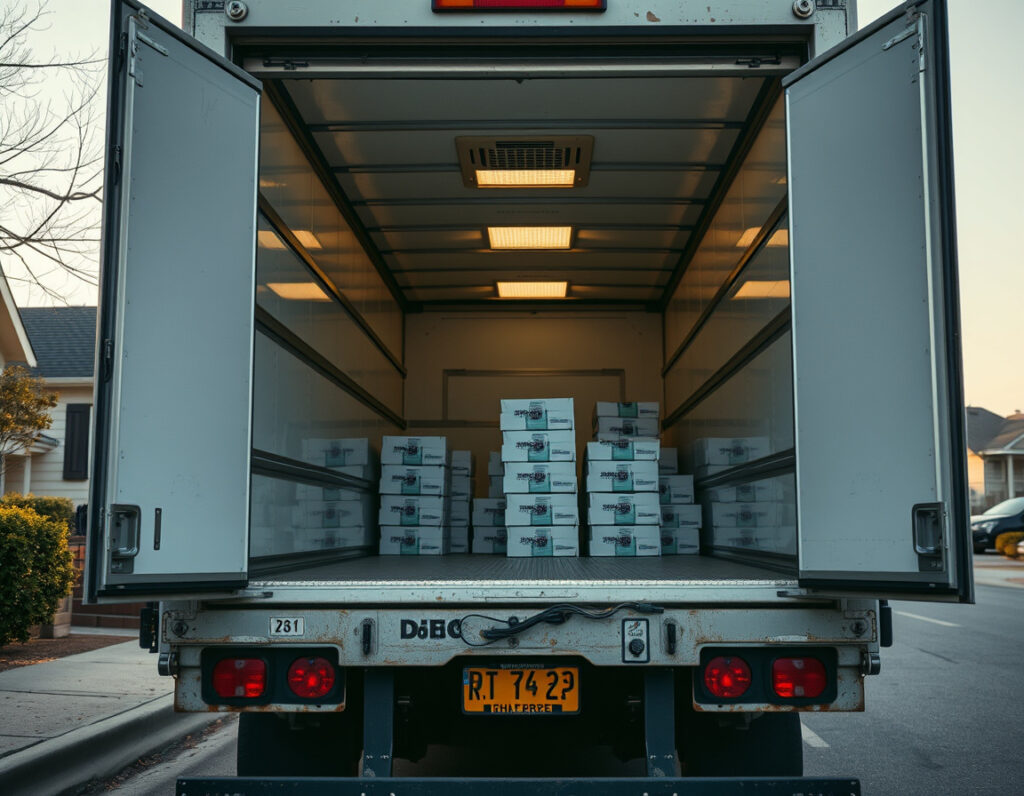
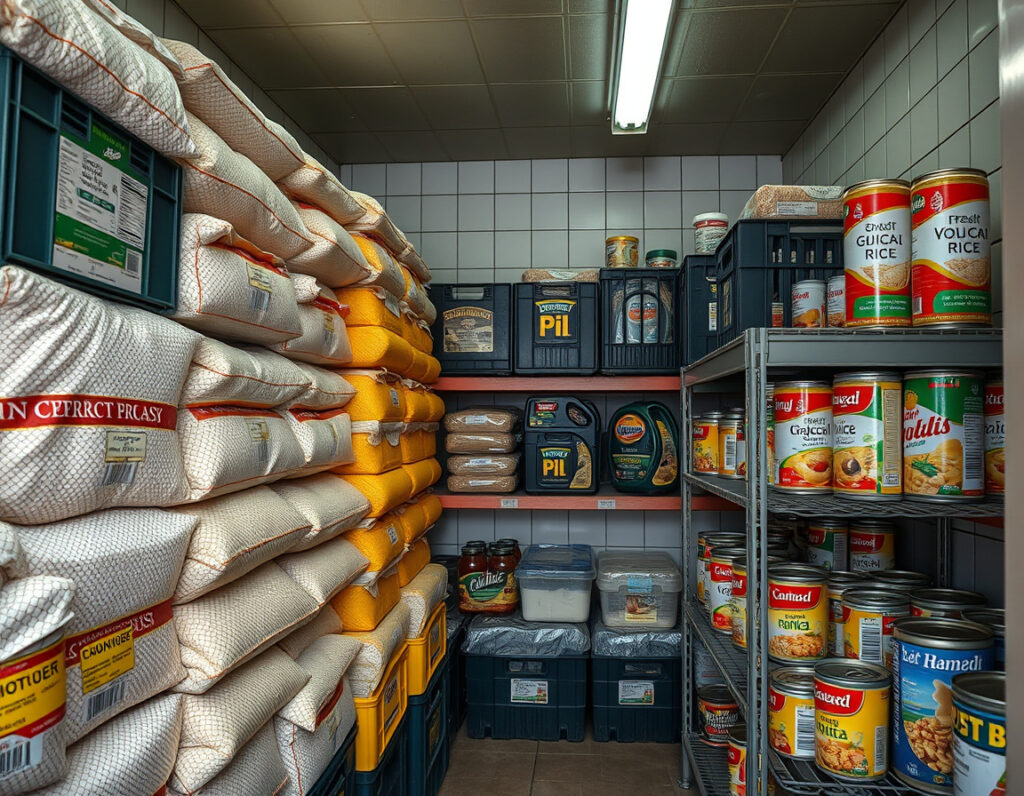
This is a practical problem that most content about food distribution avoids. You can read dozens of guides about how to choose a distributor, but very few explain what to do when the distributor you want simply does not deliver to your street.
The short answer: you need to build a case. Distributors are commercial operations. If you can demonstrate that your area represents viable route density, they will reconsider. That means a few things in practice.
First, aggregate demand. If you know other catering food suppliers or food businesses in Blue Downs, Mitchells Plain, or even across toward Eerste River, reach out and see if a coordinated approach is possible. A distributor looking at three or four confirmed accounts in a cluster will run the numbers very differently than they would for a single account.
Second, commit to volume. Route extension decisions are easier to justify when the anchor account is committing to consistent monthly spend. If you are currently spending R8,000 to R15,000 a month on catering ingredients across multiple suppliers, consolidating that to a single account gives you real negotiating weight. A reliable wholesale food distributor with an active Cape Town operation will typically have a minimum account threshold, and hitting that number consistently is the clearest signal that extending delivery to your location makes commercial sense.
Third, be specific about access. Distributors planning new routes need to know about road conditions, access points, and timing constraints. Strandfontein Road and Baden Powell Drive have very different traffic and access dynamics at 7am versus midday. If you can provide a practical delivery window and confirm that loading access is straightforward, you remove friction from the distributor’s planning process.
On the Run Marketing Cape Town works closely with food businesses across this corridor and understands the operational gaps that affect catering operators specifically. The right distributor relationship for a caterer in this part of the city looks different from what suits a restaurant in the CBD, and getting that match right from the start saves months of supply headaches. For reference on how product demand patterns differ across Cape Town versus other metros, the Cape Town vs Johannesburg product demand comparison is worth reviewing before finalising your product list with any supplier.
Avoiding Common Mistakes When Expanding Catering Supply Coverage
Two patterns come up repeatedly when catering businesses in underserved Cape Town areas try to formalise supply relationships. The first is signing up with the first distributor that says yes, regardless of whether their product range actually matches catering needs. A distributor built for retail convenience stores will technically supply you, but their pack sizes, SKU range, and delivery frequency will frustrate a catering kitchen within a month.
The second mistake is underestimating the impact of load shedding on supply reliability. Cold chain integrity is directly affected by Eskom outages, and caterers who depend on chilled or frozen ingredients need to specifically ask about backup power at distribution warehouses and in delivery vehicles. This is not a minor detail. A distributor without generator backup running a Stage 4 week can leave your chilled stock in a dangerous temperature band for hours. The most common food distribution mistakes small businesses make often trace back to skipping exactly these kinds of operational questions during the account setup conversation.
For further context on food distributors South Africa-wide best practices, the South African food safety authority guidelines outline temperature and handling requirements that any credible distributor should already be meeting as a baseline standard.
How Catering Volume Orders Work Differently Than Standard Wholesale Accounts
Most people assume wholesale supply is wholesale supply. It is not. A catering food supply account operates on different logic than a retail or general hospitality account, and understanding that difference changes how you negotiate and what you should expect.
Catering orders are event-driven. That means your demand is lumpy rather than linear. You might need 200kg of rice in a single week for a community event, then 20kg the following week. Standard wholesale accounts are calibrated for steady, predictable volume. Catering specialists know how to handle the spike-and-trough pattern without penalising you for it.
There is also the question of product specification. Catering kitchens along the False Bay coast and in community halls near Khayelitsha often operate with limited prep time, which means ingredient convenience matters. Pre-portioned, bulk-pack formats save kitchen labour. Good food distributors that service catering accounts specifically will stock these formats as standard rather than treating them as special orders.
Pricing for catering accounts should also reflect volume commitment rather than per-unit retail logic. If you are placing monthly orders above a meaningful threshold, you should be on a tiered price structure. The bulk food distributor pricing structures for professional kitchens page breaks down how these tiers typically work and what documentation a caterer needs to qualify.
The South African Poultry Association industry data gives a useful reference point for understanding protein pricing trends, which are a significant catering cost input and often the first area where a good distributor relationship can generate real savings.
Frequently Asked Questions
Can a food distributor realistically extend delivery routes to areas like Mitchells Plain or Blue Downs if they don’t currently serve there?
Yes, but it requires building a case rather than simply asking. Distributors extend routes when the commercial logic supports it. That means demonstrating consistent monthly spend, ideally aggregating demand from multiple nearby businesses, and being specific about delivery access and timing. A distributor already active in Cape Town is more likely to extend toward Blue Downs or Strandfontein Road than one with no presence in the metro. If you are struggling to get coverage, it is also worth asking whether a food distributor in Cape Town with a broader existing route network can absorb your account before a specialised supplier can reach you.
What should catering businesses ask a wholesale supplier before signing an account agreement?
Four questions matter most. First, does their SKU range actually include catering pack sizes rather than just retail formats? Second, how do they handle load shedding at their warehouse and in their delivery fleet? Third, is there flexibility on minimum order quantities for weeks when your event calendar is light? Fourth, how much notice do they need for a large spike order? Catering food suppliers that answer these questions confidently and specifically are set up for catering accounts. Suppliers that give vague answers are likely calibrated for retail, and you will feel that mismatch within the first few deliveries.
Is it better to use a single food distributor or split orders across multiple suppliers for a catering business?
Single-distributor accounts generally give you better pricing, simpler logistics, and a stronger negotiating position over time. Split supply can make sense when one supplier has a gap in a critical product category, but for most catering operations, the administrative overhead and inconsistent delivery coordination that comes with multiple suppliers costs more than it saves. The long-term food distribution partnership guide covers the relationship dynamics in detail, including when splitting supply is genuinely justified versus when it is just a workaround for a supplier that is not quite the right fit.
Getting supply right for a catering business in the Cape Flats corridor and the areas east of the N2 takes more than just finding a company that delivers food. It takes a distributor relationship that understands catering-volume patterns, can reach your location reliably, and stocks the formats and quantities your kitchen actually uses. On the Run Marketing Cape Town has direct insight into how wholesale food suppliers South Africa-wide operate versus what catering-specific operators in this part of the metro genuinely need. If you are ready to move beyond piecemeal supply and build a distribution relationship that holds up under the pressure of real event catering, reach out to our team directly to talk through your requirements and find a supply solution that fits.