
Dry Goods Wholesale in Cape Town’s Haasendal and Kuils River Corridor: What Buyers Need to Know
The stretch running through Kuils River and the Haasendal area has grown into one of the more commercially active zones on the eastern edge of Cape Town. Businesses operating here, whether small delis near Saxenburg Road, school canteens close to the Haasendal Nature Reserve, or growing retail outlets along Racecourse Road, all share a common headache: finding a dry goods wholesale supplier who actually delivers on time and keeps stock consistent.
Dry goods are not glamorous. Rice, flour, pasta, canned goods, cereals, cleaning products, sugar, oil. But they form the backbone of almost every kitchen and retail shelf in the northern suburbs. When a supplier runs short on a basic SKU or misses a Tuesday delivery window, the entire week’s production or trading plan gets thrown off. That is the reality buyers in this corridor face regularly when they work with the wrong distributor.
What separates good food distributors from the rest, in this specific geography, comes down to a few practical factors: route coverage that actually reaches Kuils River and Haasendal without a surcharge, minimum order quantities that suit medium-volume buyers, and reliable stock depth on fast-moving lines. If any of these are missing, the relationship breaks down fast.
For buyers thinking about how demand patterns differ by region, this breakdown of which products have the highest demand in Cape Town vs Johannesburg gives useful context for planning your dry goods purchasing mix.
What Dry Goods Buyers Near Kuils River Should Prioritise in a Distributor
Volume flexibility matters enormously for this area. A food truck parked near the Saxenburg Road commercial strip does not need a pallet of jasmine rice every week. A school kitchen near the Haasendal Nature Reserve corridor, however, might need consistent weekly drops of 50kg flour bags and bulk pasta. These are two very different buyer profiles and a good distributor accommodates both without penalising the smaller account.
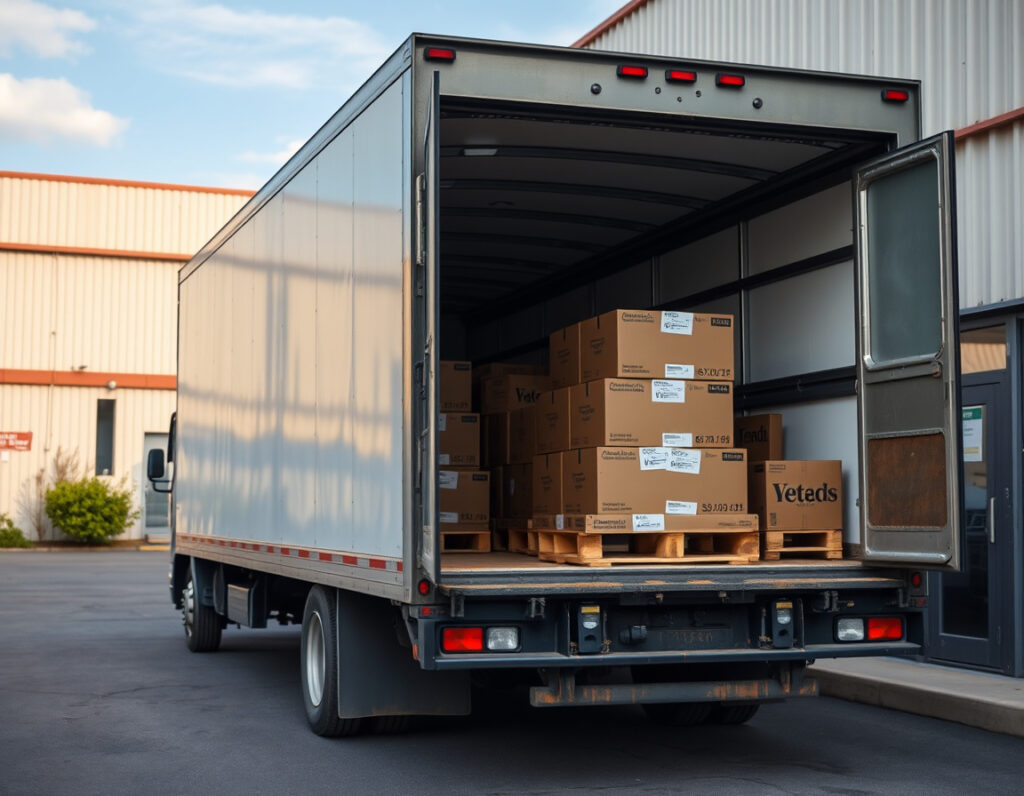
Lead times are another real pressure point. Most dry goods distributors serving Cape Town operate out of warehouses in Bellville, Brackenfell, or Epping. For deliveries reaching as far east as Kuils River along the N1 corridor, same-day fulfilment is rarely realistic. Buyers here should expect 24 to 48 hour lead times as standard and plan their par levels accordingly. Anything shorter than that should be confirmed explicitly in your supply agreement, not assumed.
Check the frequently asked questions about food distribution page for practical guidance on what to ask a potential wholesale supplier before you sign anything.
The Load Shedding Factor: Why Cold Chain Matters Even for Dry Goods Accounts
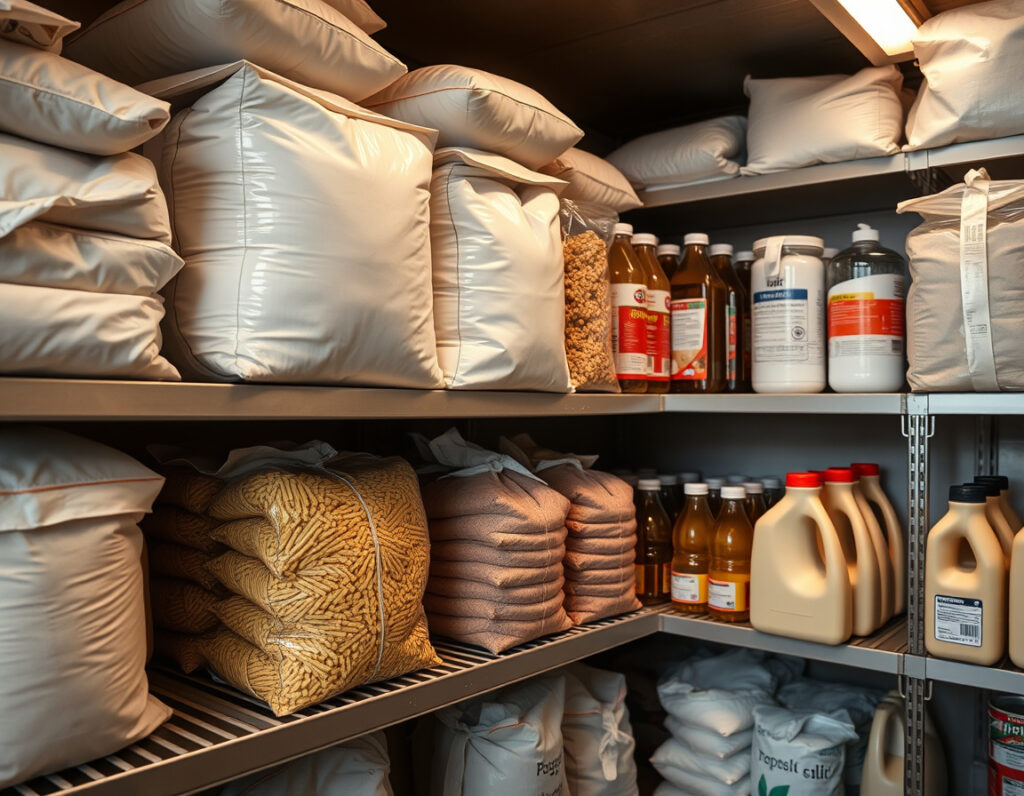
At first pass, load shedding might seem like a cold chain problem, not a dry goods problem. Frozen product spoils. Chilled goods lose temperature. Dry goods sit in a box and wait it out. That is largely true, but Eskom outages affect dry goods supply chains in ways buyers often miss until it is too late.
Warehouse management systems go down during outages. Order processing slows. Picking accuracy drops when teams revert to manual processes in dim conditions. More critically, any distributor also holding refrigerated stock will prioritise their cold chain resources during load shedding windows, which means dry goods dispatches get deprioritised in the queue. Buyers who rely on a single supplier for both ambient and chilled lines are especially exposed to this knock-on effect.
The smarter approach for dry goods wholesale buyers in areas like Kuils River and Haasendal is to separate ambient and chilled supply accounts where possible, or to work with a distributor who has invested in backup power for their warehouse management and dispatch systems. Ask directly: what is your uptime protocol during Stage 4 and Stage 6 load shedding? The answer tells you a lot about how professionally the business is run.
South Africa’s Eskom load shedding schedule and updates directly influence distributor operations, so staying across current schedules helps buyers anticipate delays and stock up where needed.
Stocking Strategy for High-Turnover Dry Lines During Power Uncertainty
For buyers in the Kuils River and surrounding areas who want to reduce exposure to supply disruptions, the practical answer is buffer stock. This does not mean hoarding. It means holding an extra two-to-three-day supply of your highest-turnover SKUs: cooking oil, rice, sugar, flour, tinned tomatoes. These lines have long shelf lives and their price volatility is manageable compared to the cost of running out mid-service.
Work with your supplier to establish a par level reorder system. When your rice stock drops below a set threshold, an automatic order triggers. Wholesale food suppliers south africa-wide are increasingly offering this kind of automated replenishment for high-volume ambient accounts. If your current supplier does not offer it, that is a gap worth addressing. The role of technology in improving food distribution efficiency explains how these systems work in practice and what to expect from a tech-forward supplier.
Halaal Certification and Dry Goods: A Non-Negotiable for Many Northern Suburbs Buyers
Cape Town’s northern suburbs, including Kuils River, Bellville, and the areas running south toward Mitchells Plain, carry a significant Muslim population. For food distributors south africa-wide, this is increasingly a commercial reality rather than a niche consideration. Any dry goods supplier working this geography needs to have their Halaal certification in order, not just on selected product lines, but across the full supply chain including storage, transport, and handling procedures.
Buyers often assume that because a product carries a Halaal mark on its packaging, the distributor’s handling of that product is also compliant. This is not always the case. Cross-contamination risk in a warehouse that stores both Halaal and non-Halaal lines is a real concern, particularly for food businesses whose customer base expects full compliance. Ask your bulk food distributors south africa contact for their MJC or SANHA certification documentation, not just the brand-level certificates.
For catering food suppliers south africa businesses operating school feeding programmes near Haasendal or event catering services along Racecourse Road, this is especially critical. A single Halaal compliance issue can cost you a contract that took months to win.
The South African National Halaal Authority (SANHA) maintains a public database of certified businesses and products, which is a practical resource for verifying supplier claims before you commit.
Working With a Distributor Who Understands Northern Suburbs Compliance Needs
On the Run Marketing Cape Town has built its distribution network with the northern suburbs buyer in mind. That means route coverage into Kuils River and Haasendal without surprise delivery fees, stock depth on the ambient lines that move fastest in this corridor, and documented Halaal compliance across storage and handling. For a full picture of available product categories and wholesale food suppliers options, the brands and product range page is a useful starting point.
Buyers who are also exploring corporate food services accounts or canteen supply alongside their dry goods needs will find that bundling these requirements through one distributor simplifies administration significantly. The corporate food services page covers what a managed supply arrangement looks like for larger accounts in the area.
Frequently Asked Questions
What minimum order quantities do dry goods wholesalers typically require for deliveries to Kuils River?
Most wholesale food suppliers serving the Kuils River and Haasendal area set minimum order values rather than strict case quantities. Expect a minimum delivery value of between R1,500 and R3,000 for a standard ambient drop. Some distributors apply a small delivery surcharge for orders below their threshold rather than refusing the order outright. It is worth negotiating this upfront, particularly if you are a growing business building toward higher volumes over time.
How do I verify that a dry goods supplier is Halaal-certified across their entire supply chain, not just on product labels?
Request the distributor’s current MJC (Muslim Judicial Council) or SANHA certification certificate, which should cover their warehouse and logistics operations, not just the brands they carry. A legitimate certificate will list the certified entity’s name, the scope of certification, and an expiry date. You can cross-reference the certificate number directly with SANHA’s public register online. If a supplier cannot produce this documentation quickly, treat that as a red flag.
Can food businesses near Haasendal access the same dry goods pricing as larger Bellville or Brackenfell accounts?
Pricing in dry goods wholesale is primarily volume-driven rather than location-driven. If your order volumes are comparable to a Bellville-based account, you should qualify for the same price tier regardless of your delivery address. The key is to consolidate your purchasing through fewer suppliers to hit higher volume thresholds per account. Splitting your ambient spend across three or four small suppliers often costs more in per-unit pricing than it saves in flexibility.
Getting Your Dry Goods Supply Set Up Properly in This Area
Businesses near Kuils River, Haasendal, and the broader northern suburbs corridor have real options when it comes to dry goods wholesale, but the difference between a supply relationship that works and one that causes constant friction usually comes down to asking the right questions before you sign up. Delivery coverage, Halaal compliance documentation, load shedding protocols, and MOQ flexibility are the four things worth pinning down in any conversation with a potential distributor.
On the Run Marketing Cape Town serves buyers across the Cape Town northern suburbs with a product range built for both ambient and bulk requirements. Whether you are running a school kitchen near the Haasendal Nature Reserve, a catering operation along Saxenburg Road, or a retail outlet in the Kuils River commercial precinct, the team can structure an account that fits your actual volumes and delivery schedule. Reach out directly through the contact page to start a conversation about what your dry goods supply should look like.
For buyers who want to understand how the wider food distribution network across Cape Town is structured before committing to an account, that overview is a practical place to start.