
What Retail Food Compliance Actually Looks Like in Brackenfell and the Northern Suburbs
Running a retail food operation near Old Paarl Road or picking up stock from the Pick n Pay Hypermarket in Brackenfell is straightforward enough day to day. But the moment you want to scale, open a second outlet, or start sourcing from a wholesale food supplier rather than buying off the shelf at retail prices, compliance becomes the first real hurdle. South Africa’s R638 food safety regulations set the baseline for how food is handled, stored, and transported commercially, and many retail food businesses in this area only discover the gaps when something goes wrong.
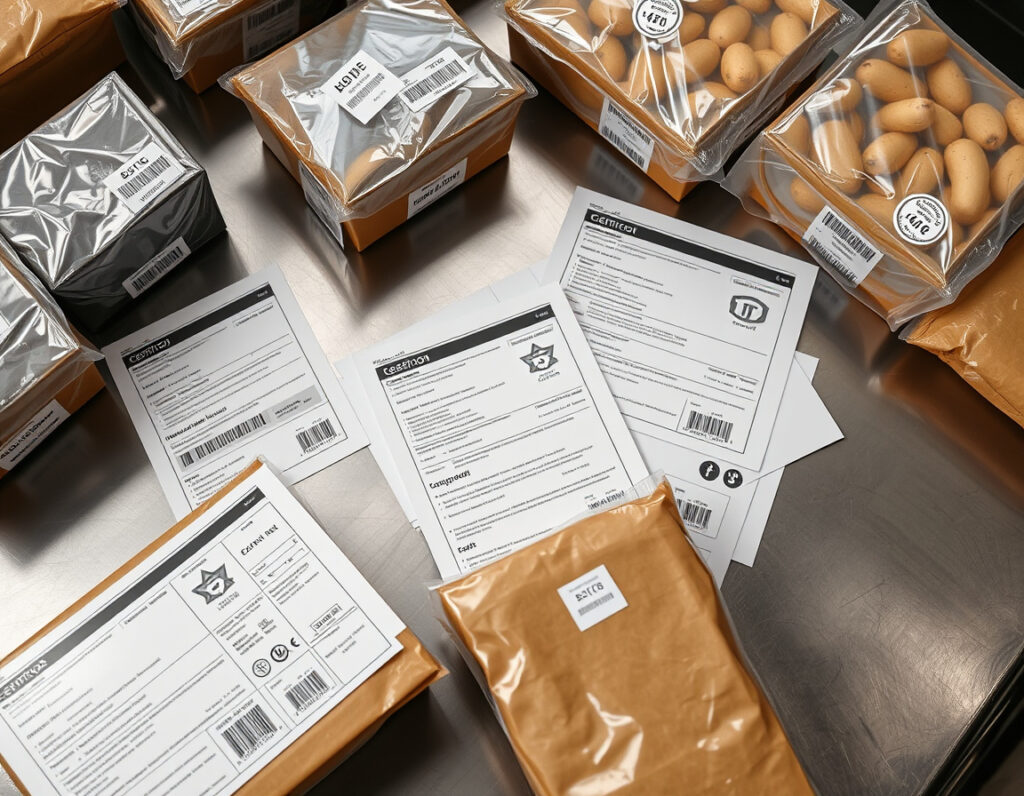
R638, promulgated under the Foodstuffs, Cosmetics and Disinfectants Act, covers temperature control, labelling, packaging integrity, and traceability. If you’re buying from a food distributor and on-selling to customers, you inherit responsibility for any part of the chain that touches your premises. That’s a different kind of exposure than simply purchasing from a supermarket. Good food distributors operating in Cape Town should be able to hand you a complete compliance document pack on request, including HACCP plans, cold chain records, and supplier certificates.
The businesses that get this right early, whether they’re a small deli near Brackenfell Primary School or a growing convenience retailer on Frans Conradie Drive, tend to avoid the expensive scramble that happens when a municipal health inspector shows up unannounced. Food distributors in Cape Town who operate at a professional level will already have this documentation ready. The ones who don’t are worth avoiding, regardless of their price per unit.
HACCP and What It Means for Your Supplier Relationship
HACCP, Hazard Analysis and Critical Control Points, is the international food safety management system that underpins most commercial food handling in South Africa. For retail food businesses, the practical question is whether your food distributor south africa operates within a verified HACCP framework. Ask to see their critical control point records. Ask how they handle temperature excursions during delivery. If they can’t answer clearly, that’s a signal.
The City of Cape Town’s environmental health inspectors use R638 as their primary audit framework, and they do inspect suppliers as well as retail premises. You can review the City of Cape Town’s environmental health guidelines for a clear picture of what’s expected at the municipal level. Knowing this ahead of time puts you in a much stronger position when negotiating with distributors and setting up your own internal food safety procedures.
How Retail Buyers in Brackenfell Can Verify a Distributor’s Credentials Before Signing Anything

The SERP for food distribution around Brackenfell and the broader Cape Town area is dominated by retail chains and fast food outlets. That’s not where retail food businesses should be looking for their supply chain. The difference between a bulk food distributor and a supermarket supplier is more than just volume. It’s about terms, traceability, and what happens when there’s a problem with a batch.
Before committing to a distributor account, run through this basic verification process. First, check that the distributor holds a valid certificate of acceptability under R638 for any food handling facility they operate. Second, ask for their cold chain protocol documentation. Third, confirm that their delivery vehicles carry temperature logging equipment, not just insulated packaging. Fourth, ask whether they can supply signed batch records for any product you’d be buying regularly.
This isn’t bureaucratic box-ticking. For a retail food business supplying customers around Springbokpark or along the Old Paarl Road corridor, a single recalled product from a non-compliant supplier can trigger a full premises audit. The cost of that audit, in time and potential temporary closure, far exceeds the savings from choosing a cheaper, less documented supplier. Reading through what makes a food distribution partnership successful long-term can help frame these questions before the first meeting.
What Halaal Certification Means for Retail Buyers in Cape Town
Cape Town has one of the largest Muslim populations in any South African city, concentrated significantly across the northern suburbs and areas like Brackenfell, Kuils River, and Bellville. For retail food businesses serving these communities, halaal certification is a commercial requirement, not an optional extra. The Muslim Judicial Council (MJC) and the National Independent Halaal Trust (NIHT) are the two primary certifying bodies in the Western Cape, and their marks carry different recognition levels among consumers.
When sourcing from wholesale food suppliers south africa, a retail operator needs to verify halaal certification at the product level, not just at the distributor level. A distributor may be MJC-certified for their warehouse operations but carry products from manufacturers whose halaal status has lapsed or is certified by a lesser-known body. Always ask for product-level certificates, and check the expiry dates. The Muslim Judicial Council halaal certification portal allows you to verify current certification status for most Western Cape products directly.
This is a specific pain point that bulk food distributors in south africa serving northern suburbs retail operators need to handle proactively. If a distributor can’t produce current halaal certificates for every relevant SKU in their range, that’s a gap that falls on your business the moment a customer asks.
Setting Up a Wholesale Account as a Retail Food Business Near Old Paarl Road
Many small food retailers in the Brackenfell and Springbokpark area haven’t made the switch from retail purchasing to wholesale accounts because the process feels opaque. It doesn’t have to be. Most food distributors operating professionally in Cape Town have a structured onboarding process that takes a few days, not weeks.
You’ll typically need a valid business registration document (CK or CIPC certificate), proof of a fixed trading address, a tax clearance certificate or PIN, and in some cases a signed health compliance declaration for your premises. The trading address matters because some distributors set minimum delivery thresholds by zone, and a business operating on or near Frans Conradie Drive or Church Street in Brackenfell may fall into a delivery zone with different MOQ terms than a business further into the Winelands corridor.
For businesses that are still figuring out the account qualification process, the guide on how new food businesses in Protea Heights can set up their first distributor account covers the practical steps in detail. The same framework applies to retail food operators across the broader Brackenfell and northern suburbs area. Once the account is active, you can also start exploring specialist ranges. Dedicated bulk food suppliers often carry dry goods, chilled lines, and ambient categories under a single account, which simplifies purchasing considerably compared to running multiple supplier relationships.
Volume Thresholds and What Retail Operators Often Miss
One of the most common mistakes small retail food businesses make when switching to a wholesale model is underestimating the minimum order values. Catering food suppliers south africa often set their MOQs around the needs of institutional buyers like schools and corporate canteens, which creates a mismatch for a small convenience retailer or a corner store trying to place a weekly top-up order.
The practical workaround is to build a buying group with neighbouring retailers or to stagger ordering so that combined orders meet the threshold. A few retail businesses within walking distance of Brackenfell Community Church or in the commercial stretch near the Pick n Pay Hypermarket on Old Paarl Road could easily pool a weekly order across complementary product categories. Some corporate food services south africa providers also extend their wholesale terms to qualifying retail operators, so it’s worth asking whether a distributor’s institutional pricing is accessible to your business type. The piece on the most common food distribution mistakes small businesses make covers this and several related traps that are easy to walk into during the first year of wholesale purchasing.
Frequently Asked Questions
Do retail food businesses in Brackenfell need a separate food safety certificate to open a wholesale distributor account?
Not always, but it depends on the distributor. Most professional food distributors operating in Cape Town will ask for a valid certificate of acceptability for your premises, issued by the City of Cape Town’s environmental health department. This is a legal requirement for any business handling food commercially under R638, so if you don’t have one, sorting that out first is the right move. Some distributors will process an account application without it, but they’ll require it before your first delivery. It also protects your business from municipal compliance issues down the line.
How do I know if a food distributor’s halaal certification covers the specific products I want to stock?
Distributor-level halaal certification covers the warehouse and handling operations, not necessarily every product they stock. You need product-level certificates for any item you intend to sell as halaal. Ask the distributor for a halaal-certified product list and check that the certifying body is recognised by the Muslim Judicial Council or NIHT. The MJC portal lets you verify current certification status online. It’s worth doing this check at account setup and repeating it annually, since product certifications can lapse or change without notice.
What’s the difference between buying from a wholesale food supplier versus a bulk food distributor for a small retail shop?
The terms overlap, but in practice a wholesale food supplier typically sells across a broad range of categories at volume pricing, while a bulk food distributor often specialises in high-volume staple goods like grains, oils, and dry goods at pallet-level quantities. For a small retail shop, a wholesale supplier is usually the better fit because you can order mixed SKUs at lower per-unit quantities. Bulk distributors are better suited to larger operations or buying groups. If your shop is in the early stages, start with a wholesale account and add bulk purchasing agreements for your top-selling lines once you have solid volume data.
Getting the Right Distributor Relationship for Your Retail Business
Retail food businesses in the Brackenfell area and across Cape Town’s northern suburbs are at a genuine advantage when they approach distribution the right way. The area has strong commercial infrastructure, consistent foot traffic along key routes, and a customer base with specific product needs around halaal, fresh, and ambient categories. Finding a distributor who understands those local specifics matters as much as getting a competitive price per unit.
On the Run Marketing Cape Town works with food businesses navigating the distributor selection and compliance process across the region. If you’re ready to move from retail purchasing to a proper wholesale supply chain, or if you want to audit your current distributor relationship against R638 and halaal requirements, the contact team at On the Run Marketing Cape Town can point you in the right direction. You can also browse the full range of wholesale food distributor services to understand what a structured distribution account looks like in practice.