
What Institutional Buyers in Van Riebeeckshof Need From a Food Distributor
Schools, hospitals, corporate canteens, and care facilities in Cape Town’s northern suburbs operate under a different kind of pressure than restaurants or cafés. Their procurement decisions are governed by tender cycles, dietary compliance requirements, and the expectation that supply will arrive on time without fail. A kitchen feeding 400 learners every weekday cannot absorb the same stock gaps that a small bistro might manage by running to the local wholesale outlet.
The stretch of the northern suburbs running from Van Riebeeckshof toward Durbanville is home to a growing cluster of these institutions. Educational facilities, retirement villages, and small corporate campuses have multiplied here over the past decade. Institutional food supply in this corridor demands a distributor with genuine capacity, not just a vehicle and a price list. That means consistent stock availability, invoice structures that align with monthly budget cycles, and product ranges wide enough to satisfy diverse dietary needs in a single order.
For buyers sourcing through food distributors in Cape Town, the challenge often comes down to finding a partner who understands the operational rhythm of institutional kitchens rather than one built around retail convenience. Residents and facility managers near Boschendal Park on Boschendal Close will recognise the pattern: suppliers who serve the area well for the first few months and then start cutting corners once the contract is signed.
Good food distributors for institutional clients maintain consistent service standards across the full contract period. That is not a guarantee every distributor can make, which is why procurement officers in the area are increasingly specific about what they require before signing supply agreements.
BEE Compliance and Preferential Procurement in Institutional Supply Chains
Any institution that receives government funding or operates within a corporate group with transformation targets will have preferential procurement obligations built into its supply chain policy. Selecting a food distributor is not purely a logistical decision in this environment. It is also a compliance decision. Many institutional kitchens in Cape Town’s northern suburbs sit within organisations that must report their procurement spend against BEE scorecard criteria every financial year.
The practical implication is straightforward: a BEE-compliant food distributor with a valid certificate at the right level can add real scorecard value to an institution’s procurement portfolio, not just cost savings. South Africa’s Department of Trade, Industry and Competition BEE framework sets out the scoring criteria that procurement teams must apply. Buyers who ignore this when selecting wholesale food suppliers south africa wide tend to find themselves scrambling for documentation at year-end audits.
For institutions near the One Life Church Durbanville precinct along Pampoenkraal Access, where community and faith-based organisations sometimes operate feeding programmes or early childhood development centres, these compliance layers are just as real as they are for large corporates. A distributor that can provide valid tax clearance, a current BEE certificate, and consistent supply documentation makes the compliance burden considerably lighter.
Managing Supply Continuity During Load Shedding in the Northern Suburbs
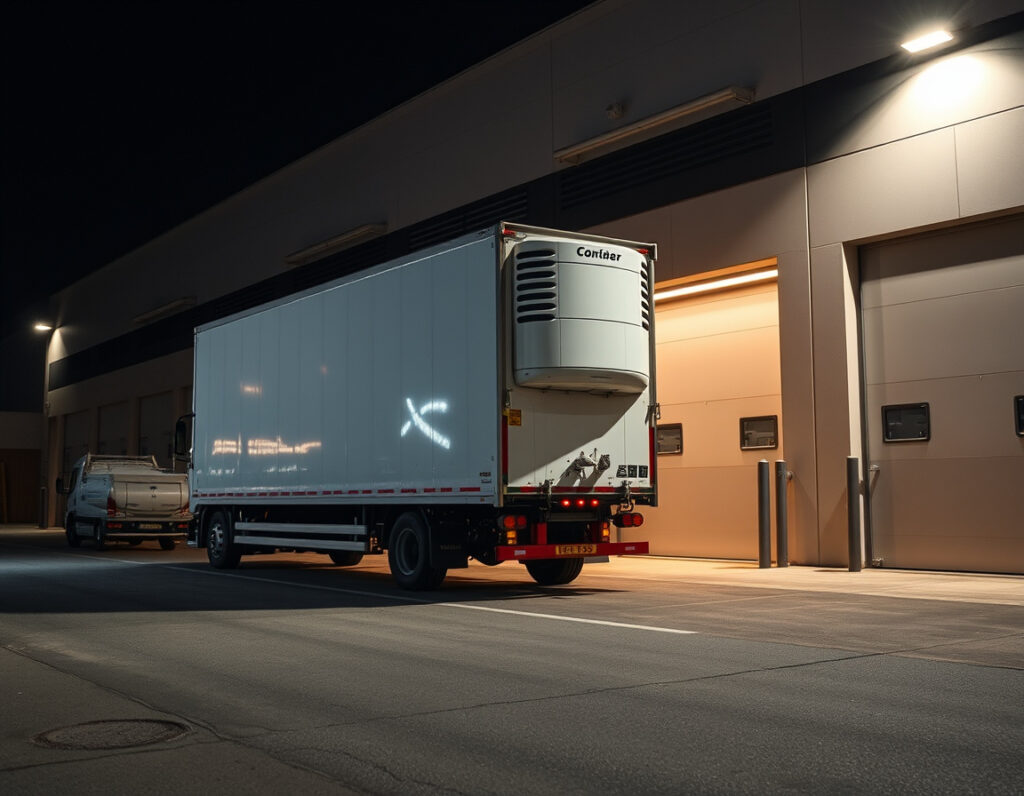

Load shedding is not an abstract risk for institutional kitchens. A Stage 4 outage cutting power for four to six hours mid-morning disrupts meal prep schedules, cold storage integrity, and the delivery windows that distributors promise. For a school kitchen serving a hot lunch at 12:30, a two-hour power cut starting at 10:00 is genuinely disruptive, regardless of how good the distributor’s truck schedule looks on paper.
Catering food suppliers south africa have had to adapt their cold chain operations to account for Eskom’s unpredictability. The question institutional buyers should be asking is not whether their distributor has a generator; it is what the distributor’s protocol is when a staging warehouse loses power for several hours and how that affects the temperature certification on perishables delivered that day.
The Van Riebeeckshof and surrounding northern suburbs sit within areas that experience shared load-shedding schedules with Bellville and Durbanville. Institutional buyers can check their local outage schedule through the City of Cape Town load shedding resource to cross-reference delivery windows with scheduled outages. But that only helps if your distributor has already mapped their own warehouse and transport backup procedures against the same schedule.
Bulk food distributors south africa operating at scale typically have backup power for cold storage, but smaller regional players may not. An institution’s supply agreement should explicitly address this, including what happens to a temperature-sensitive delivery if a breakdown in the cold chain occurs during an outage. This is especially relevant for bulk food supply arrangements where the order value per delivery is high enough that a single compromised load represents meaningful financial and operational disruption.
What Backup Power Coverage Should Look Like in Practice
An institution asking about backup power should get specific answers, not reassurances. A useful framework is to ask the distributor three questions: Does your primary warehouse have a generator capable of maintaining cold storage at required temperatures through a Stage 6 outage? Are your refrigerated vehicles equipped with standby cooling independent of the engine? And what is your documented procedure when a delivery is flagged as potentially temperature-compromised?
Distributors who handle corporate food services south africa at scale generally have answers to these questions because large corporate clients have already demanded them. Institutional buyers in the northern suburbs should expect the same level of clarity. Corporate food service distribution experience is a reasonable proxy for whether a distributor has thought through operational resilience in any depth.
Halaal Certification and Dietary Compliance for Institutional Menus
A significant portion of institutions in the Cape Town northern suburbs serve communities where Halaal-certified supply is not optional. Schools, hospitals, and corporate canteens with a Muslim staff or student population have a legal and ethical obligation to ensure that the food served meets the required standards. This is not a niche requirement in this part of the Western Cape; it is a baseline expectation across a large share of institutional kitchens.
The problem institutional buyers encounter is that Halaal certification is not uniform. Different certifying bodies apply different audit standards, and a product carrying one body’s stamp may not meet the requirements of a facility whose own accreditation was granted by a different organisation. Procurement teams need to understand which certifying body their distributor’s products are certified under and whether that aligns with the facility’s own Halaal committee or governing policy.
For institutions in the Van Riebeeckshof area looking at their full product range, this due diligence extends to every category: dry goods, proteins, sauces, condiments, and even cooking oils. A wholesale food distributor who can provide a clear, category-level Halaal status report for their product range saves procurement teams significant time and reduces the risk of a compliance gap appearing mid-contract.
On the Run Marketing Cape Town works with food distributors who have mapped their product certification status in detail, making it easier for institutional buyers in the area to verify compliance before placing their first order rather than discovering gaps after a facility audit. You can review available product categories and brand partnerships on the brands page to understand the range on offer.
Frequently Asked Questions About Institutional Food Supply in Cape Town
Can a food distributor assist with tender documentation for institutional supply contracts?
Yes, experienced food distributors who work regularly with institutions in Cape Town can provide the documentation procurement teams need for tender submissions, including valid tax clearance certificates, BEE compliance certificates, product specification sheets, and Halaal certification records. Asking for this documentation upfront, before the tender deadline, is standard practice and a good indicator of how organised the distributor is operationally.
How should an institution handle a delivery that may have been temperature-compromised during load shedding?
Any delivery where the cold chain may have been broken should be logged immediately and the distributor notified in writing before the stock is used. A reputable distributor will have a documented returns and replacement procedure for temperature-compromised goods. Institutions should make sure this procedure is written into their supply agreement, including turnaround times for replacement deliveries, so there is no ambiguity when the situation arises.
What minimum BEE level should an institutional buyer look for when selecting a food distributor in Cape Town?
This depends on the institution’s own procurement policy and the BEE scorecard it reports against. Many government-linked institutions and large corporates require suppliers to hold at least a Level 4 BEE certificate to qualify for full preferential procurement points. Some set the bar at Level 2 or Level 1 for higher-weighted procurement categories. Buyers should confirm the minimum level required under their own policy before shortlisting distributors, and then verify that the distributor’s certificate is current and issued by an accredited verification agency.
Getting institutional food supply right in Cape Town’s northern suburbs comes down to choosing a distribution partner who has thought through every layer of compliance, continuity, and certification before you need to ask. On the Run Marketing Cape Town connects institutional buyers with food distributors south africa wide who meet those standards. Whether your kitchen is in Van Riebeeckshof, serving a school near Durbanville, or managing a corporate canteen closer to Bellville, the right distributor makes every procurement cycle simpler. Reach out to On the Run Marketing Cape Town to find out which distribution partners best fit your institution’s specific compliance and supply requirements.