
What Township-Based Restaurants in Delft Actually Need From a Food Distributor
Running a restaurant, takeaway, or informal eatery in Delft puts you in a very different position from a kitchen in Bellville or Brackenfell. The supply access challenges are real. Trucks that serve formal industrial corridors don’t always route through areas near Hindle Road or Eindhoven Street, which means many food business owners here spend hours sourcing basics from Delft Mall or driving out to distant cash-and-carry stores. That eats into margins and time you simply don’t have.
The businesses feeding local families near Eindhoven Primer Skool and the surrounding streets deserve the same reliable stock access that a hotel kitchen in the CBD gets. Restaurant food supply in township commercial zones isn’t a niche problem — it’s a significant and growing segment of the Cape Town food economy, and distributors who ignore it are leaving real demand on the table.
What separates a good distributor from an average one in this context comes down to a few concrete things: delivery routing that actually covers your area, minimum order quantities that make sense for a small restaurant doing 40 to 80 covers a day, and product ranges that reflect local eating patterns. A distributor offering 10-kg bags of basmati rice and no pap, or stocking only frozen gourmet items, is simply not built for this market.
Matching Stock Ranges to Local Menu Demand
Most township-facing restaurants in the Delft area build menus around high-volume staples: maize meal, chicken portions, cooking oil, dried beans, canned tomatoes, flour, and bread. A wholesale food supplier worth working with stocks these in practical bulk sizes — not catering-hotel quantities that require a cold room the size of a shipping container, but volumes that a mid-sized takeaway can move through in a week without waste.
If you’re operating near the Zoe Family Church corridor along Rhine Road or running a school feeding scheme close to Delft Primary School, your ordering cycle is predictable. That predictability is something good distributors can build delivery schedules around. The key is finding a distributor who sees your operation as a route-worthy account, not a last-resort stop. For more on what to look for in that relationship, the guide on local wholesale food distributors and suppliers for reliable deliveries covers the core criteria clearly.
How Restaurant Operators Near Delft Can Cut Supply Costs Without Sacrificing Consistency
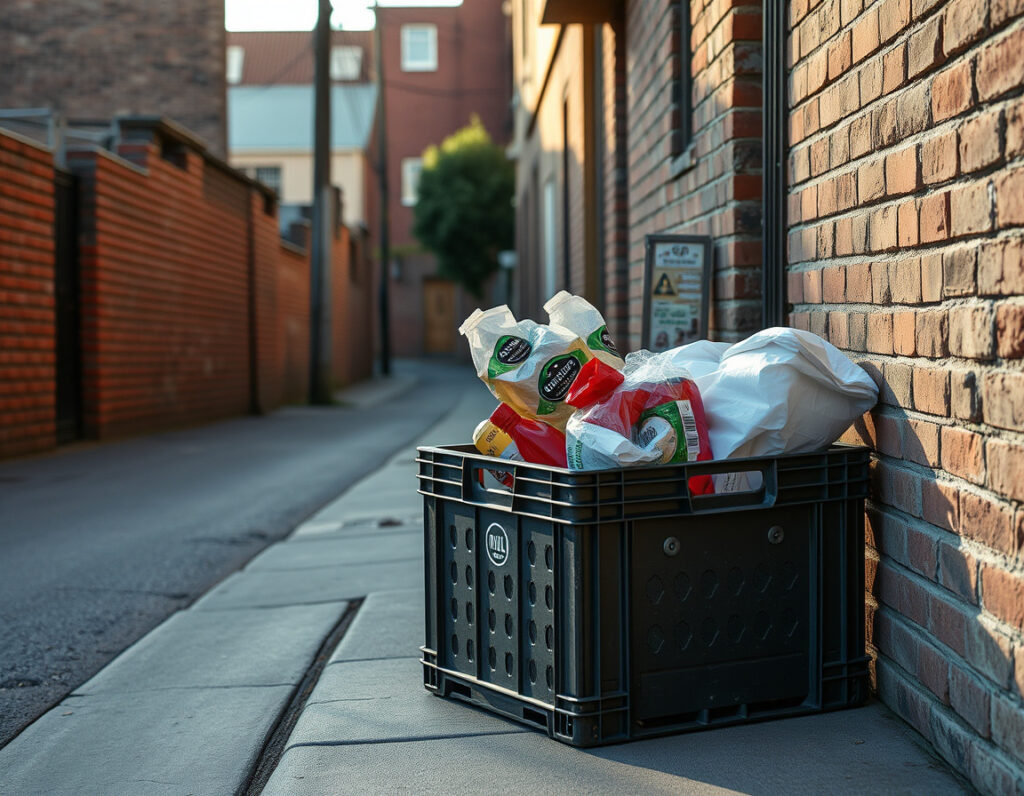
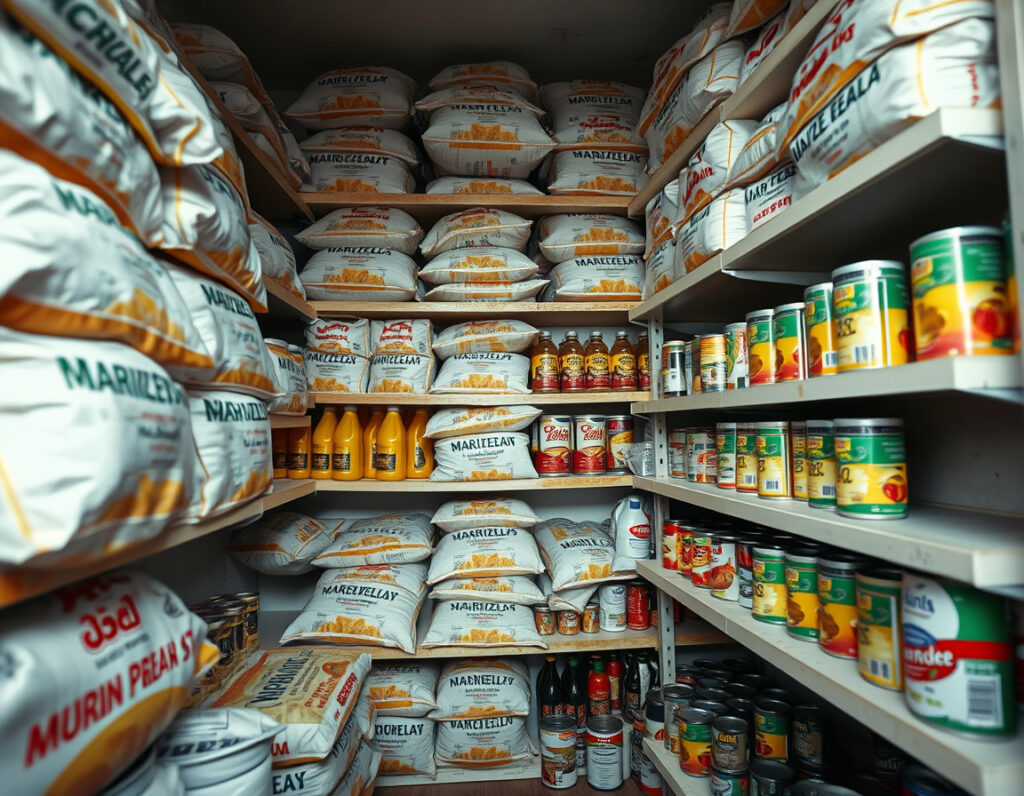
Price pressure on informal and semi-formal restaurants in the Eindhoven and Delft areas is intense. Input costs have risen sharply over the past two years, and customers in this market are price-sensitive. So the question isn’t just “who supplies food?” — it’s “who supplies food at a price that keeps my menu competitive?”
There are three structural moves that make a real difference. First, buying directly from a distributor rather than through a middleman retailer. Even if the cash-and-carry near Delft Mall seems convenient, the markup on every item compounds across your monthly spend. A direct distributor account, even with a modest MOQ, typically saves 12–20% on staple lines depending on category.
Second, consolidating your supplier list. Restaurants that buy chicken from one source, oil from another, and dry goods from a third are paying delivery costs three times over and spending hours each week on logistics admin. Bulk food distributors who carry a broad product range let you consolidate into one or two weekly orders — which is how the dedicated bulk food suppliers and distributors for professional kitchens model adds real value.
Third, aligning your order timing with your cash flow. Weekly orders placed on the same day reduce both waste and the temptation to over-order when cash is available. Distributors who offer flexible payment terms — even 7-day accounts — can help smooth that cycle significantly.
Why Direct Distribution Beats Retail for High-Volume Kitchens
A restaurant going through 50 kg of flour and 20 litres of cooking oil per week is not a retail customer. Retail packaging, retail pricing, and retail stock availability simply don’t match that operational rhythm. Food distributors South Africa who serve the restaurant trade professionally understand this distinction — they sell by the case, by the pallet, and on agreed schedules rather than whoever-walks-in-first.
The food distributors Cape Town network includes operators who deliver to areas beyond the formal industrial corridors, but you do need to know who they are and what they require from you as an account. That’s where a bit of upfront research pays off — checking delivery zones, MOQs, and credit terms before committing to a supplier relationship.
According to the South African Government’s business support resources, small food businesses that formalise their procurement relationships typically show stronger cost control and greater access to credit facilities over time. This is relevant for any Delft-based restaurant owner thinking about whether to formalise their distributor relationship.
Practical Ordering Strategies for Small Restaurants With Limited Storage
One of the biggest friction points for restaurant operators in areas like Eindhoven and Delft is storage. A takeaway shop with a 20-square-metre kitchen can’t take a pallet delivery of canned goods. This is a real constraint that many catering food suppliers South Africa aren’t built to accommodate — their logistics assume a large receiving bay and a walk-in cold room.
The workaround isn’t to avoid distributors — it’s to find distributors who offer split-case ordering or who have minimum order structures that work for smaller footprints. Some food distributors in the Western Cape now operate micro-distribution models specifically for this reason, with smaller delivery vehicles that can navigate residential streets and offer more frequent drops in smaller quantities.
Home of Compassion on the corner of Rhine Road and Eindhoven Road sits at the centre of a dense residential zone where informal food businesses are active. A distributor capable of routing through this kind of environment — narrow roads, no loading bays, time-specific access windows — is a very different operation from one servicing a Brackenfell factory canteen. It’s worth asking potential suppliers directly: do you deliver to Eindhoven? What’s your smallest viable drop size?
For restaurant operators who also supply events or school feeding programmes nearby, the article on catering food supplies that keep your kitchen moving covers how to scale your ordering during peak periods without disrupting your regular stock flow.
Managing Stock Rotation and Waste in a High-Turnover Kitchen
Waste kills margins faster than almost anything else in a small restaurant. Ordering too much because a supplier’s MOQ forced you to buy a 10-kg bag when you needed 4 kg is a structural problem, not a planning failure. Good food distributors recognise this and work with restaurant clients to calibrate order sizes to actual throughput — tracking what you buy versus what you sell and adjusting supply accordingly.
The FAO Food Loss and Waste Database consistently shows that poor procurement planning is among the top causes of food waste in small commercial kitchens globally. Tighter ordering cycles and better matched pack sizes are two of the most effective fixes — both of which depend on having a distributor relationship that’s built around your actual kitchen size, not a generic commercial template.
Frequently Asked Questions
Can a small takeaway or restaurant in Delft open a direct account with a food distributor?
Yes — many wholesale food suppliers South Africa will open accounts for smaller operations, though the requirements vary. Most ask for a copy of your business registration or trading licence, proof of address, and sometimes two trade references. Some distributors also offer cash-on-delivery terms for new accounts before extending credit. It’s worth contacting a few directly and asking what their minimum account requirements are rather than assuming you won’t qualify.
What food products are most commonly sourced through distributors by Cape Town township restaurants?
The highest-volume categories for township-facing restaurants in the area tend to be maize meal, sunflower cooking oil, chicken portions (fresh and frozen), bread flour, dried legumes, canned tomatoes, and sugar. Some distributors also supply beverages, condiments, and paper packaging in bulk. Checking whether a distributor carries your core 10–15 lines is the fastest way to assess fit before committing to an account.
How do I know if a food distributor actually delivers to the Eindhoven or Delft area?
The most direct method is to call the distributor’s sales line and ask specifically whether they cover your street or suburb — use your nearest landmark or intersection as a reference point if needed. Many distributors list delivery zones on their website. You can also check resources like the distribution FAQ page for general guidance, or contact the team directly to ask about coverage in your specific area.
If you run a restaurant, takeaway, or food operation in the Delft or Eindhoven area and you’re tired of piecing together your supply from retail stores at retail prices, On the Run Marketing Cape Town can help you connect with the right distribution partner for your kitchen size, menu, and ordering pattern. The team understands the specific access and logistics challenges in this part of the city — and knows which distributors are genuinely set up to serve it. Reach out through the contact page to get started, or read more about what On the Run Marketing Cape Town does for food businesses across the region.