
The Short Answer
A food distributor typically sets minimum order quantities to keep delivery costs manageable and ensure cold-chain or dry-goods logistics run efficiently. For businesses in Cape Town, these minimums usually range from a few hundred rand worth of stock up to several thousand rand per order, depending on the product category and the distributor’s operational model.
If your order falls below the threshold, most distributors will either charge a small-order surcharge or consolidate your delivery with a scheduled run in your area, which can add a day or two to lead times.
Why Minimum Orders Exist in Food Distribution

The Logistics Reality Behind the Number
Running a refrigerated truck from a warehouse in, say, Stikland or Epping out to a restaurant in the City Bowl costs roughly the same whether the vehicle is carrying 50 kg or 500 kg of product. Delivery cost per unit drops sharply as order size grows, which is why distributors protect their margins with a floor figure.
Dry goods are slightly more forgiving because ambient temperature stock can be consolidated more easily. Chilled and frozen lines are a different story. Cold-chain compliance requires vehicles to run at specific temperatures the entire trip, so a half-empty truck still burns the same fuel and carries the same compliance risk as a full one.
There’s also the picking and packing side. A warehouse team spending 40 minutes picking a small order generates the same labour cost as a large one. Warehouse labour efficiency is one of the quieter drivers behind the minimum figure most buyers never see on an invoice.
How Different Business Types Are Affected
A busy hotel kitchen or corporate canteen rarely bumps into minimum order issues because volume demand is consistent and predictable. Smaller operations, like a food truck, a pop-up caterer, or a café with a lean menu, feel the pinch more often.
For those smaller buyers, a few practical options exist:
- Consolidate orders across a week’s menu planning so one delivery covers multiple needs.
- Ask your distributor whether they run a scheduled route delivery in your neighbourhood, which sometimes comes with a lower minimum threshold than an on-demand drop.
- Look at whether a wholesale food distributor can bundle dry goods, chilled lines, and pantry staples into a single consolidated order to hit the minimum more easily.
The catering supply side of the industry often has more flexible arrangements because caterers tend to order in bursts around event calendars rather than on fixed weekly schedules.
Negotiating Minimums and What to Expect
When You Can Push Back
Minimum order quantities are not always fixed policy. A distributor that wants your long-term account may agree to a lower threshold during a trial period, or waive the surcharge if you commit to a regular weekly order. Relationship history matters here. A business that has traded reliably for six months is in a stronger position to ask for flexibility than a brand-new account.
It also helps to understand what the distributor actually values. Some care more about order frequency than individual order size. A small café that orders every Tuesday like clockwork may be more attractive to a route-based distributor than an inconsistent buyer who places one large order every six weeks.
Reading the Fine Print on Surcharges
If you do fall short of the minimum, the surcharge is typically listed in the supplier’s terms and conditions. According to the South African Department of Trade, Industry and Competition, businesses are entitled to receive clear pricing disclosures before confirming an order, so always request a quote that breaks out any below-minimum fees.
Industry guidance from the Consumer Goods Council of South Africa also highlights that transparent supplier contracts reduce disputes and improve long-term trading relationships, which is worth keeping in mind when reviewing any new distributor agreement.
For a broader look at how the distribution relationship works beyond just order sizes, the key factors behind a successful long-term distribution partnership are worth reading through before you sign anything.
Related Questions
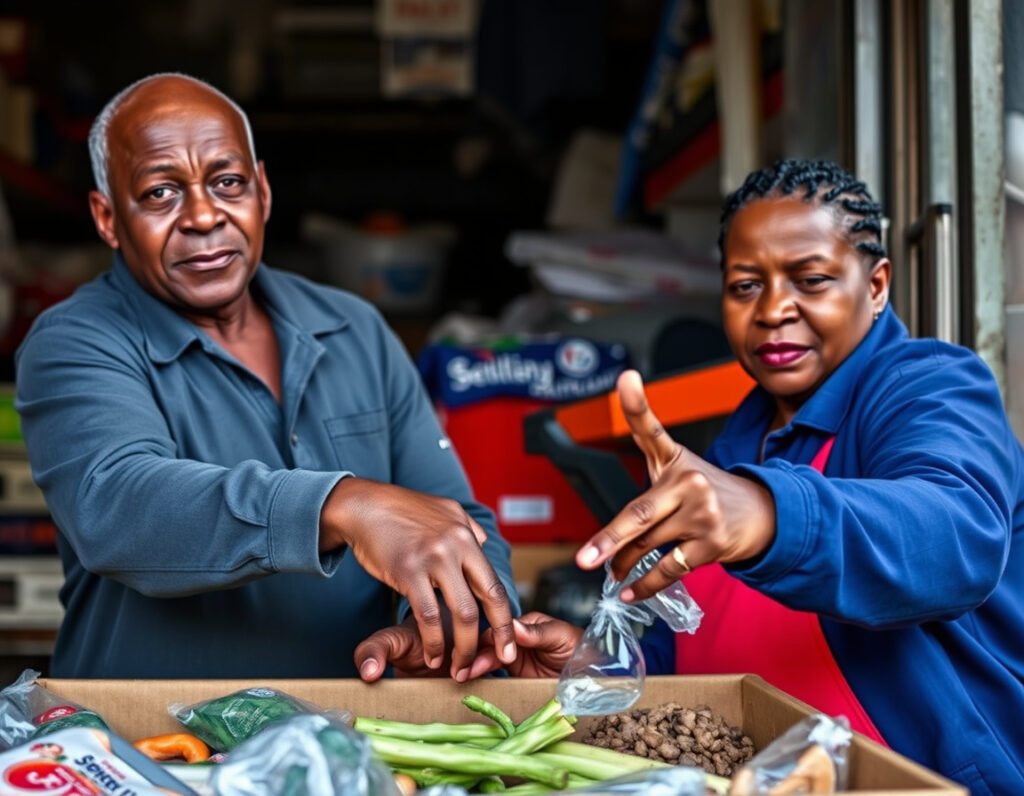
Can a small restaurant in Cape Town order directly from a wholesale distributor?
Yes, most wholesale distributors in the area will take on restaurant accounts regardless of size, though smaller accounts may face stricter minimum order requirements or less frequent delivery windows. Contacting the distributor directly to discuss your average weekly volume is the fastest way to find out what terms apply to your business. The food distributors operating in Cape Town typically outline their account requirements on their service pages or during an initial onboarding call.
What happens if I regularly miss the minimum order threshold with my current supplier?
Repeatedly falling short can result in consistent small-order surcharges that quietly erode your margins over time. Some distributors may also deprioritise your delivery slot during busy periods. The smarter move is to talk to your supplier about your actual ordering patterns and see whether a different delivery schedule or product mix can help you hit the threshold more consistently without overstocking perishables.