
What Should You Do When a Food Distributor’s Invoice Doesn’t Match What Was Delivered?
Contact your distributor’s accounts team immediately and raise a formal discrepancy claim, referencing the delivery note signed at the time of receipt. Most distributors have a short window — often 24 to 48 hours — to process credit notes or invoice corrections, so acting quickly matters. Keeping a signed copy of every delivery note is the single most effective way to protect yourself in a billing dispute.
Why Invoice and Delivery Mismatches Happen More Often Than You’d Expect

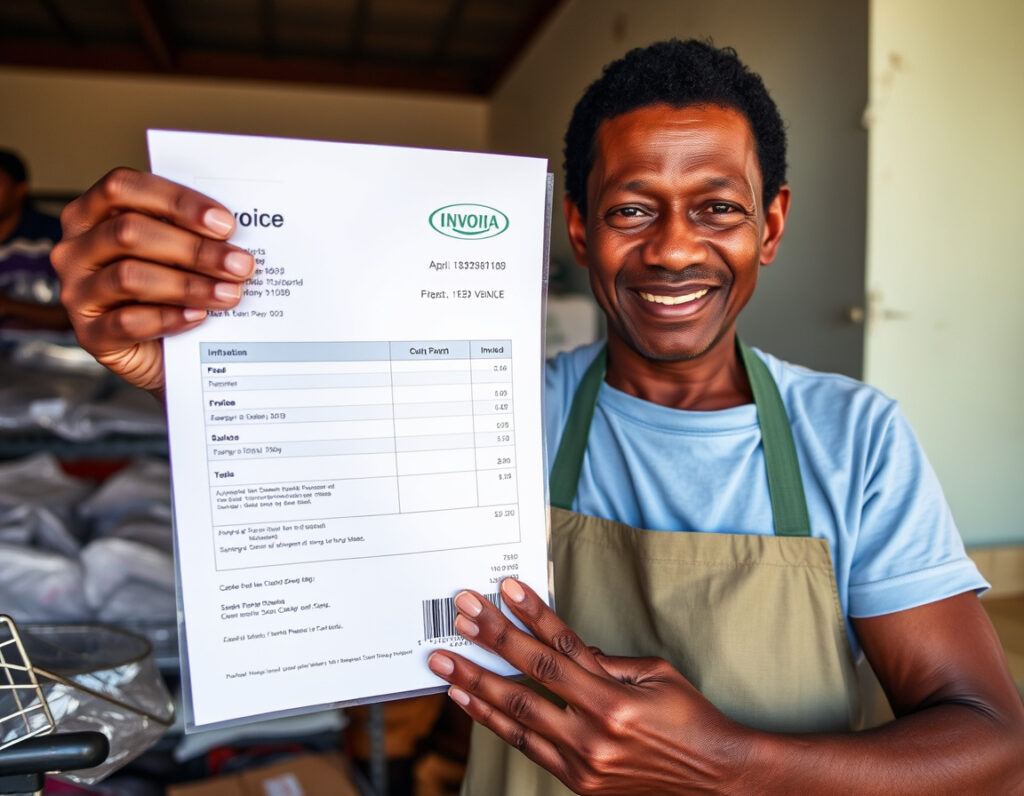
It’s a frustrating situation: the invoice says 10 cases of product, but only 8 arrived. Or you get charged for a product you returned last week. These gaps aren’t always careless. There are a few specific reasons they crop up in food distribution operations.
Short Deliveries That Get Billed in Full
A driver might leave your premises before you’ve counted every line item. The delivery note gets signed in good faith, and the invoice is generated from the original order, not from what was physically offloaded. This is one of the most common causes of invoice discrepancies in the industry. The fix is simple in theory: always count stock before signing. In a busy kitchen environment, that’s easier said than done, but even a rough check on high-value items can catch the big gaps.
Credits That Weren’t Processed Before the Next Invoice
Say you returned damaged stock on Monday. The driver noted it on his return sheet. But by Wednesday, when your next supplier invoice arrives, the credit hasn’t been applied. This is a timing issue inside the distributor’s own system, not necessarily a deliberate error. Following up directly with the accounts department, not just the driver or sales rep, tends to resolve it faster. Ask for a credit note reference number and check it appears on the next statement.
Order Changes That Weren’t Updated at the Warehouse
Sometimes you call to amend an order after it’s been confirmed. If the change isn’t captured correctly in the warehouse management system, the original order gets picked and billed. This gap between what you communicated and what was recorded is surprisingly common, especially with last-minute substitutions. Confirming any order changes in writing, even a quick WhatsApp message to your account manager, gives you a paper trail to reference if the invoice doesn’t reflect the update.
How to Handle the Dispute Without Damaging the Relationship
A billing dispute doesn’t have to turn into a confrontation. The way you approach it makes a real difference, especially if you’re working with a long-term distributor you rely on week to week.
Document Everything From the Delivery Onwards
Take photos of what was delivered, especially if there are visible shortfalls or damage. Keep the original delivery note. Note the driver’s name and delivery time. When you work with a local distributor in Cape Town, you’ll often find that account managers can resolve issues quickly when you bring clear documentation rather than just a verbal complaint. Read more about how these partnerships work over time in this post on what makes a food distribution partnership successful long-term.
Understand What a Credit Note Actually Covers
A credit note offsets the value of a disputed item against your next invoice or account balance. It doesn’t always mean you’ll receive a cash refund, especially if you’re on a monthly account. Make sure you understand how your distributor applies credits before assuming your next bill will be lower automatically. Ask for a running statement if there are multiple outstanding credits at once.
For businesses that handle high-volume food procurement, even small per-item billing errors can add up significantly across a month. It’s worth scheduling a monthly account review with your distributor rather than only raising issues when something goes obviously wrong. The FAQ section on our site covers account and billing questions that come up regularly. You can also find useful context on how food businesses in areas like Durbanville and the Northern Suburbs manage wholesale supplier relationships.
South Africa’s food industry operates under guidelines from bodies like the Consumer Goods Council of South Africa, which sets out standards for trade relationships, including invoicing and returns processes between suppliers and buyers. Understanding your rights within that framework helps when pushing back on a disputed charge. For general context on how commercial invoicing works in supply chains, the National Treasury’s supplier payment guidelines also provide a useful reference point.
Related Questions
How long does a food distributor have to issue a credit note after a dispute is raised?
There’s no universal legal deadline, but most distributors commit to issuing a credit note within 5 to 10 business days of a confirmed discrepancy. Check your account agreement for any stated timeframes, and follow up in writing if the credit doesn’t appear on your next statement within that window.
Can you withhold payment on a disputed invoice while waiting for a credit note?
Technically you can dispute a specific line item, but withholding full payment on an invoice can trigger account suspension or late fees depending on your credit terms. A safer approach is to pay the undisputed portion and formally flag the contested amount in writing, keeping your account in good standing while the credit is processed.