
What’s the Difference Between a Food Distributor That Stocks Its Own Warehouse and One That Drop-Ships From Suppliers?
A warehouse-stocking distributor buys product in bulk, holds it in their own facility, and picks and packs your order from their own shelves — meaning faster turnaround, consistent availability, and a single point of contact. A drop-ship distributor acts more like a broker, passing your order directly to the original supplier or manufacturer who then ships to you, which can mean longer lead times and less control over quality checks before the goods arrive at your door.
Why the Difference Actually Matters for Your Business
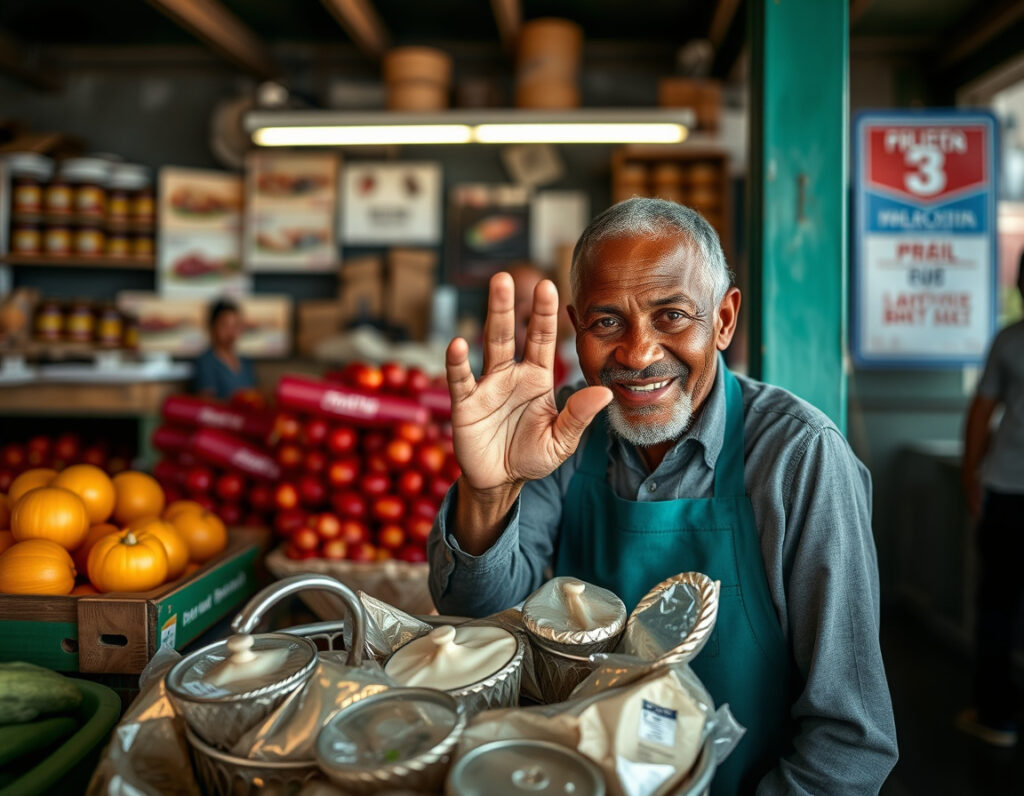
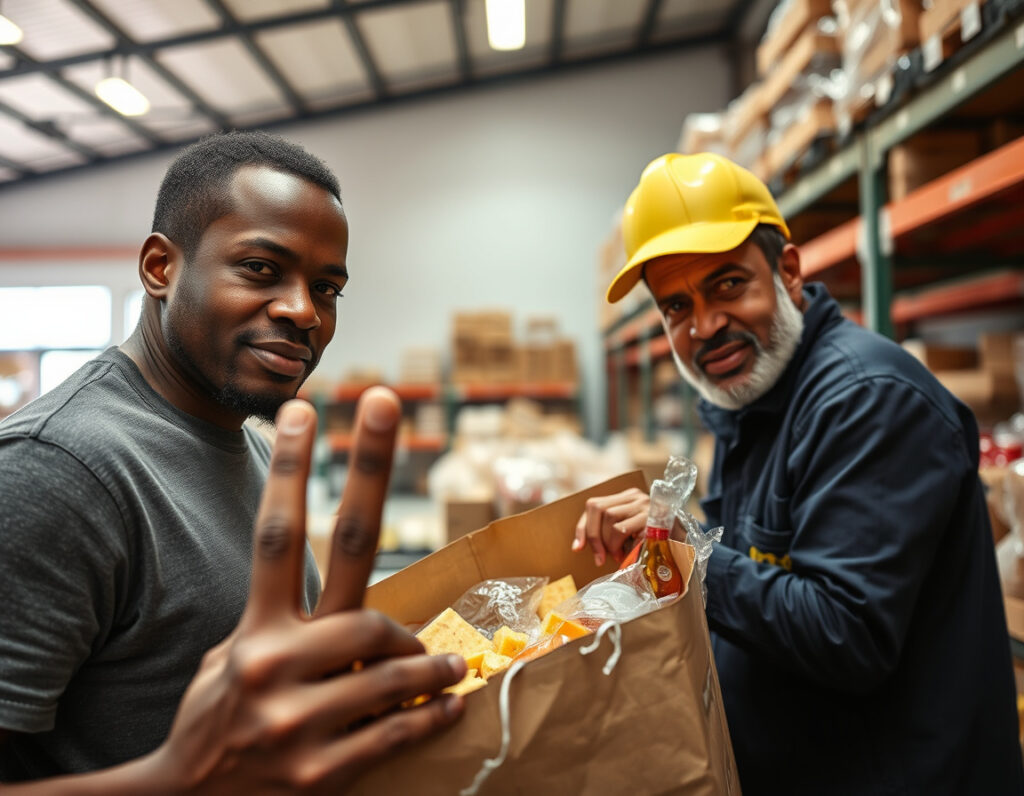
On paper, both models can get product to you. In practice, they create very different day-to-day experiences — especially for busy kitchens and catering operations that can’t afford to wait.
Stock Availability and Lead Times
When a distributor holds its own stock, your order is usually picked the same day or next day. There’s no waiting for a third party to pull from their warehouse and re-route a shipment. For businesses in busy parts of the city — think restaurant strips in the City Bowl or high-volume canteens in industrial zones — that speed difference can mean the gap between service running smoothly and a kitchen grinding to a halt.
Drop-ship arrangements, by contrast, are heavily dependent on the supplier’s own schedule. If that supplier has their own order backlog, a public holiday, or a stock issue, your delivery gets delayed and the distributor in the middle has limited ability to fix it quickly. You also lose the benefit of someone physically inspecting the goods before they leave the warehouse.
Quality Control at the Source
A distributor with its own cold storage and dry goods facility can check product condition before it goes onto a truck. Temperature logs, expiry date checks, and visual inspections all happen under their roof. With drop-shipping, that inspection step is either skipped or handled by a party you’ve never met and have no direct relationship with.
This matters a lot for perishable categories — chilled dairy, proteins, and frozen goods especially. The cold chain challenges in areas like Belhar are a real example of why having a distributor who physically manages stock is worth more than a cheaper quote from someone who doesn’t touch the product.
Accountability When Something Goes Wrong
With a warehouse-holding distributor, there’s a clear chain of responsibility. They received it, they stored it, they packed it, they delivered it. If a product arrives damaged or short-counted, the conversation is straightforward. Drop-ship models often create a blame loop — the distributor points at the supplier, the supplier points at the courier, and you’re stuck in the middle trying to get a credit raised while your kitchen is short on stock.
If you want to understand how a reliable wholesale food distributor structures its fulfilment to avoid exactly this kind of grey area, it’s worth asking direct questions about where product is physically held before you sign anything.
How to Tell Which Model a Distributor Actually Uses
Distributors don’t always volunteer this information upfront. Some use a hybrid — stocking fast-moving lines themselves and drop-shipping slower SKUs through supplier agreements. Knowing what questions to ask saves you from finding out the hard way.
Questions Worth Asking Before You Commit
Ask whether they own or lease warehouse space and where it is. Ask what their average order fulfilment time is from the moment you place an order to when it leaves their facility. Ask whether their team physically inspects goods before dispatch, or whether certain product lines ship directly from the manufacturer. Ask what happens to your order if a specific product line is out of stock on their end.
A distributor that holds its own stock will answer these questions confidently and specifically. One that relies heavily on drop-shipping will give you vague answers or redirect to “supplier lead times.” According to the Consumer Goods Council of South Africa, supply chain transparency is one of the strongest indicators of long-term distributor reliability — and that starts with knowing exactly where your product sits before it moves.
It’s also worth reading about common food distribution mistakes small businesses make, because assuming your distributor stocks what they claim to stock is one of the most expensive ones.
The City of Cape Town operates across a wide metro geography, which means delivery efficiency depends heavily on where stock is actually held. A distributor whose warehouse is centrally located and well-stocked will always outperform one routing orders through a distant supplier — regardless of what their pricing looks like on a quote sheet.
Related Questions
Can a drop-ship food distributor still be a good choice for certain businesses?
Yes, for businesses that order slow-moving specialty items or niche imported products infrequently, drop-ship distributors can be practical — the lead time is less critical when you’re planning weeks ahead. The problem arises when businesses use them for high-frequency, high-volume staples where speed and consistency are non-negotiable.
How do I know if my current distributor is secretly drop-shipping part of my order?
Watch for inconsistencies: products arriving in original manufacturer packaging with different delivery paperwork, varying lead times on the same SKU, or credits that take unusually long to process. These are signs that part of your order is being fulfilled by a third party rather than picked from your distributor’s own stock.