
Why Do Food Distributors Sometimes Require a Physical Site Visit Before Delivering to a New Client?
A site visit lets a food distributor confirm that your storage facilities can actually receive and hold the stock safely before the first delivery goes out. It protects both parties: the distributor avoids delivering goods into conditions that could compromise quality or safety, and you avoid taking on stock you’re not set up to store. Most distributors working in regulated industries — catering, healthcare, schools — treat this step as non-negotiable.
What a Distributor Is Actually Checking During the Visit

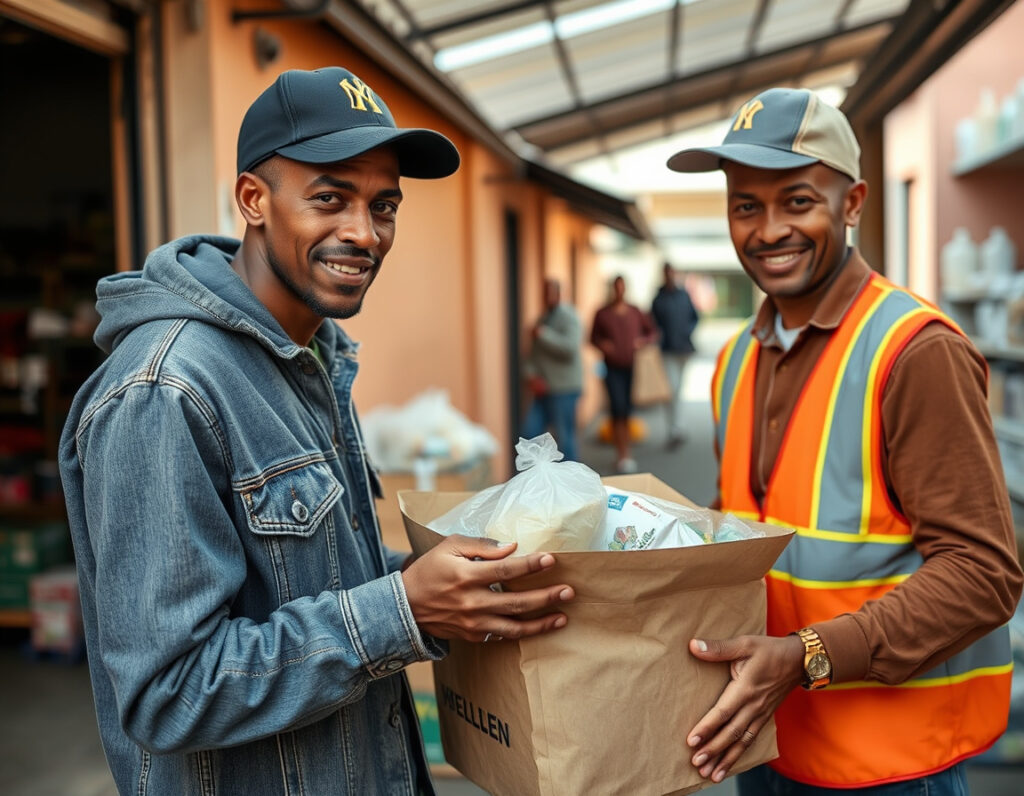
The visit is not an inspection designed to catch you out. Think of it more as a practical handshake. The representative wants to see whether your operation matches what you described on the account application.
Storage Conditions and Capacity
Temperature-controlled storage is the first thing any distributor will look at if you’re ordering chilled or frozen goods. A dry storeroom with no cold room is a hard stop for those product categories. They’ll also check whether shelving is adequate for the volume you’ve indicated, and whether the space is clean and free from pest activity. A kitchen or shop in Mitchells Plain ordering ambient goods faces a lighter checklist than a hospital canteen in the Northern Suburbs ordering across multiple temperature categories.
Capacity matters too. If you claim you’ll order 200kg of product weekly but your cold room holds 50kg, the order quantities on your account will be set accordingly. Distributors do this to avoid wastage on their end as much as yours.
Access for Delivery Vehicles
This is a detail a lot of new clients overlook. Delivery truck access varies enormously across the area. A narrow side street in the Bo-Kaap, a loading bay blocked by a skip in an industrial park, a security gate that only opens between 9am and 11am — all of these affect whether a distributor can serve you on a standard route. The site visit flags these constraints early so the logistics team can plan accordingly, rather than having a driver turn up with a 10-tonne truck and nowhere to offload.
Business Legitimacy and Account Risk
Distributors extending credit terms to new clients carry real financial risk. A physical visit gives them a reasonable read on whether the business is operational and stable. It’s not about distrust — it’s the same logic a bank uses when it wants to see your premises before approving a business loan. For food distributors serving Cape Town businesses, the sheer variety of operators — from home-based caterers to large corporate canteens — means that a quick site visit is often the only reliable way to calibrate account terms correctly from the start.
How to Prepare So the Visit Goes Smoothly
There’s no need to stress about a site visit if you treat it the way you’d treat a building inspection: tidy up, fix obvious problems, and be honest about limitations.
Clean and Organise Before They Arrive
Clear out any expired stock, label your shelving, and make sure your cold room is running at the correct temperature. A well-organised storeroom signals that you take food safety seriously. Distributors notice this. It also tends to shorten the visit considerably because there are fewer questions to ask.
Be Upfront About Access Limitations
If your loading area is tight, say so in advance. If your gate requires a code or a guard needs to buzz vehicles in, note that for the representative. The more information you share upfront, the better the logistics team can plan your delivery window around those constraints. Surprises on delivery day are costly for everyone. You can read more about how different types of food businesses access bulk food supply on a practical level.
For a broader picture of what to expect when opening a new supplier account, the FAQ page covers common questions about account setup and delivery terms.
Food safety standards in South Africa are governed by the Department of Agriculture, Land Reform and Rural Development, which sets out requirements for the handling and storage of food products. If you want to understand what the industry considers acceptable storage practice, the Food Safety Authority’s guidance on food safety management systems is a widely referenced standard that many local distributors align with.
Related Questions
Can a food distributor refuse to open an account after a site visit?
Yes, and it does happen. If storage conditions fall below the distributor’s minimum food safety requirements, or if delivery access is genuinely impossible on their vehicle fleet, they can decline. Most will tell you what needs to change so you can reapply once the issue is resolved, rather than simply closing the door permanently.
Does every food distributor require a site visit, or only some?
It depends on the distributor’s size, the product categories involved, and the credit terms you’re applying for. Smaller cash-on-delivery accounts sometimes skip the visit entirely. Larger accounts with credit facilities or orders across chilled, frozen, and ambient categories almost always require one, particularly where cold chain compliance is a factor.