
What Corporate Canteens and Staff Catering Operations in Durbanville Actually Need From a Food Partner
Running a staff canteen or corporate catering operation is a different animal compared to managing a restaurant or retail food outlet. The volume is predictable, but the pressure is constant. Procurement managers near the Durbanville business corridor — businesses that serve hundreds of employees daily along Main Road and through the Valmary Park commercial stretch — often discover quickly that a standard retail supplier cannot keep up with the demands of professional food service at scale.
The first challenge is product consistency. When you’re serving 200 lunches a day, a last-minute substitution from your supplier doesn’t just create a menu gap — it creates a staffing problem, a cost problem, and sometimes a dietary compliance problem. Corporate food services South Africa buyers consistently report that their biggest frustration isn’t price; it’s the inability to guarantee product availability week over week.
A distributor built for corporate food service accounts will hold buffer stock on high-frequency lines. They’ll flag availability issues before delivery day, not on it. That distinction matters enormously when your kitchen staff starts prep at 6am and your first service run hits at 11:30am.
For operations based near Palm Grove Centre on Main Road or tucked into the commercial nodes around Oxford Street in Durbanville, the logistics window is tight. Good distributors understand that and build their route schedules around your kitchen’s intake times, not their own convenience. If you want to understand what a well-structured corporate food services arrangement actually looks like in practice, the expectations are very different from a standard wholesale account.
Minimum Order Structures That Work for Mid-Size Workplace Kitchens
Many wholesale food suppliers South Africa set minimum order quantities designed for large hospitality operations or retail chains. A corporate canteen serving 150 to 400 staff sits in an awkward middle ground. The volume isn’t tiny, but it’s not a hotel group either.
The best food distributor partnerships for this segment offer tiered ordering structures. You might order dry goods in pallet quantities once a week, chilled protein twice a week, and fresh produce on a three-day cycle. Each category can have its own minimum that makes commercial sense for your kitchen’s storage capacity. Pushing a canteen operator to over-order on perishables to hit a blanket minimum is a fast way to destroy their food cost margin and their trust.
It’s worth reading through common food distribution mistakes small businesses make before locking in a supplier contract — several of those pitfalls apply directly to corporate kitchens that are new to negotiating wholesale accounts.
Supply Continuity for Corporate Kitchens: Why Backup Planning Is Non-Negotiable
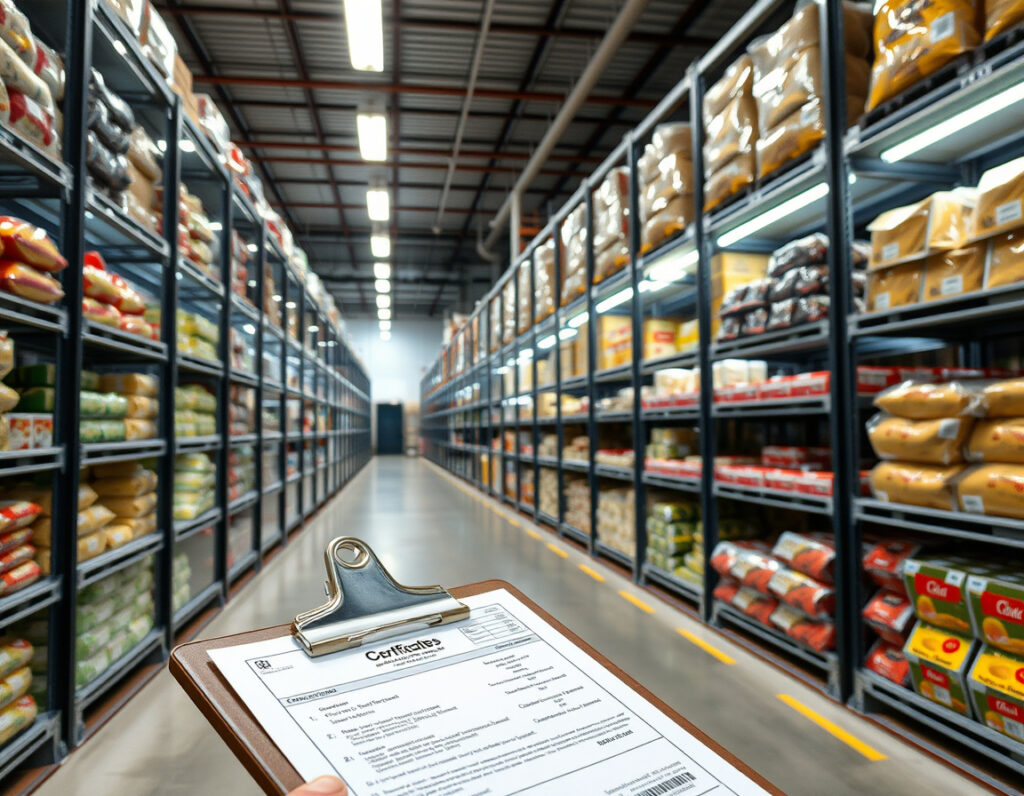
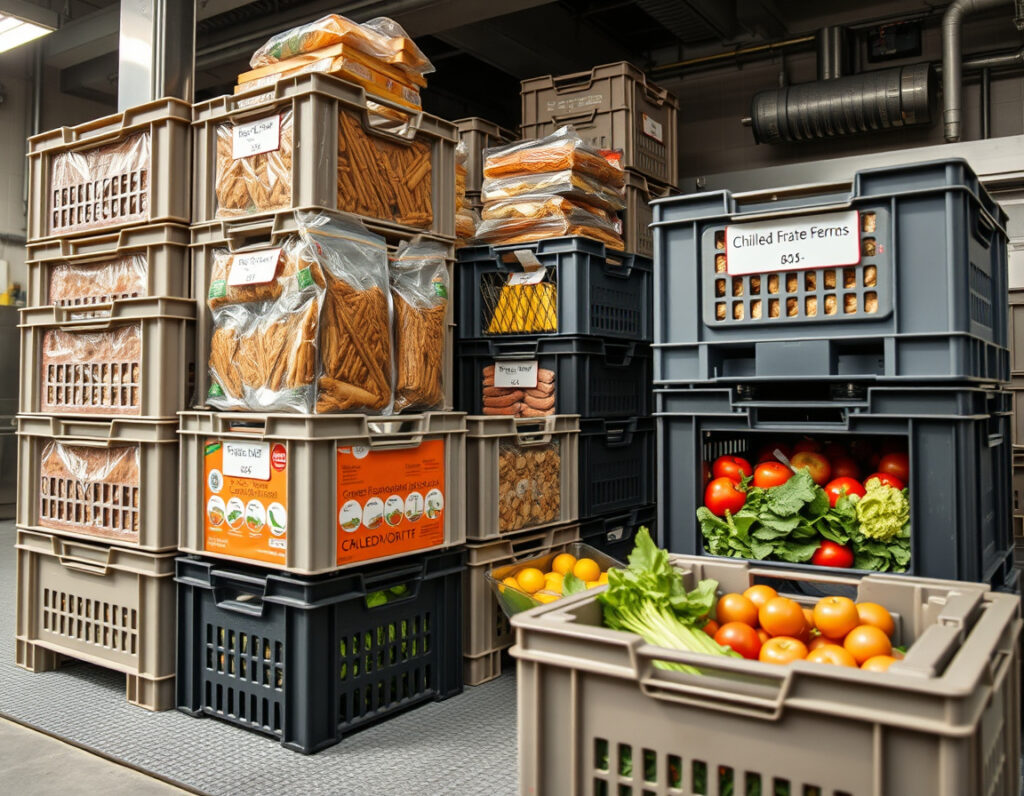
South Africa’s supply chain environment is more volatile than many procurement managers account for in their annual planning. Port delays at Cape Town harbour, Eskom outages disrupting cold storage at distribution centres, and seasonal shortages on imported dry goods all create moments where your primary supplier simply cannot deliver what you ordered. For a corporate canteen, that’s not an abstract risk — it’s a very real Tuesday morning crisis.
The businesses sitting near the Our Lady of Perpetual Help Catholic Church precinct along The Crescent in Durbanville, and the school-serving catering operators near Little Explorers Aftercare in Valmary Park, operate on fixed daily schedules. Their clients have zero tolerance for a “we couldn’t get stock” explanation at lunchtime. This is exactly why supply continuity planning has to be a formal part of your distributor relationship, not a verbal assurance.
A reliable distribution partner will document their contingency protocols. Which product lines have secondary suppliers? What’s the lead time if they need to source from an alternative? Is their cold storage backed by generator capacity? These aren’t aggressive questions — they’re standard due diligence for any food distributors South Africa relationship at this level.
For a deeper look at how Cape Town kitchens manage peak supply pressure, the piece on bulk food distribution through Cape Town’s peak summer season covers several strategies that apply directly to year-round corporate catering operations, not just seasonal events.
The Hidden Cost of Supplier Switching Mid-Contract
Switching food distributors mid-contract is expensive in ways that don’t always show up on a spreadsheet. There’s the retraining of kitchen staff on new product specs, the renegotiation of pricing tiers, the gap period where your new supplier doesn’t yet understand your volume patterns. The South African Department of Agriculture, Land Reform and Rural Development outlines food labelling and safety regulations that compliant distributors must meet — and verifying a new partner’s compliance status mid-service cycle adds administrative overhead most procurement teams don’t budget for.
The smarter move is to establish a secondary distributor relationship before you need it. Not a full parallel supply chain — just a qualified backup account on two or three critical product categories. That way, when your primary partner has a stock failure on a key protein line, you’re making a phone call, not placing an emergency retail order at a SPAR markup.
Understanding what makes a food distribution partnership work over the long term is worth studying before you commit to a primary supplier relationship, especially if your canteen contract runs 12 months or longer.
Halaal and Dietary Compliance for Corporate Food Service Accounts
Cape Town has one of the largest Muslim communities in the country, and for corporate canteens in the northern suburbs — including the Durbanville and surrounding areas — Halaal certification isn’t a nice-to-have. It’s a baseline requirement for serving a diverse workforce without creating a two-menu problem.
The challenge is that Halaal-certified food distribution in South Africa operates across several accreditation bodies, and not all certificates carry equal weight with your employees or your client base. The Muslim Judicial Council, SANHA, and other bodies each have their own audit standards. A distributor claiming “Halaal-friendly” without a current, verifiable certificate from a recognised body is not meeting the standard your workforce expects.
When evaluating bulk food distributors South Africa for a corporate account, ask for copies of their Halaal certificates and check the expiry dates. A certificate that lapsed eight months ago and hasn’t been renewed tells you something about that distributor’s operational discipline — and that applies to their food handling standards generally, not just religious compliance.
Dietary compliance doesn’t stop at Halaal. Corporate kitchens increasingly need to accommodate vegetarian, vegan, and allergen-managed diets at scale. A good distributor will have product data sheets readily available, not just on request after a two-day wait. The wholesale food distributor relationship that works for a corporate canteen is one where that information flows as naturally as the delivery schedule.
For context on product demand differences across South Africa’s major urban markets, the comparison of which products have the highest demand in Cape Town versus Johannesburg highlights some regional buying patterns that directly affect what a Cape Town corporate kitchen should be stocking and sourcing locally versus nationally.
The City of Cape Town provides business licensing and environmental health guidance relevant to food service operators in the metro area, which corporate canteen managers should have on file when setting up or reviewing their kitchen compliance documentation.
Frequently Asked Questions
What’s the difference between a wholesale food supplier and a corporate food service distributor?
A wholesale food supplier sells product at volume pricing, often without any service layer attached. A corporate food services distributor does the same, but wraps it in account management, scheduled delivery windows, product consistency guarantees, and often category planning support. For a corporate canteen operation, the service layer is frequently what justifies paying a slight premium over a raw wholesale price — because the cost of an unplanned stock failure far exceeds the margin difference.
How often should a corporate canteen review its food distributor relationship?
A formal review every six months is reasonable for most operations. That review should cover fill rate performance (what percentage of ordered lines were actually delivered), pricing drift against market benchmarks, product quality consistency, and any compliance documentation renewals. Annual contracts with a six-month performance review clause give you protection without the disruption of constant supplier switching. Food distributors South Africa who are confident in their service levels will agree to this kind of structured accountability.
Can a distributor handle both Halaal and non-Halaal product lines for a mixed-dietary corporate kitchen?
Yes, and many of the better catering food suppliers South Africa already do. The key is segregation — both in storage and in delivery. Your distributor should be able to confirm that Halaal-certified lines are stored and transported separately from non-certified products, and that this segregation is audited as part of their certification process. Ask to see their internal handling procedures if this is critical to your operation. A distributor who can’t explain their segregation protocol clearly is a risk to your compliance standing.
On the Run Marketing Cape Town works with food businesses across the northern suburbs and beyond to connect corporate kitchens, canteen operators, and institutional buyers with reliable distribution partners who understand the specific demands of high-volume daily food service. If your current supplier arrangement is creating stock anxiety, compliance gaps, or delivery unpredictability, it’s worth having a direct conversation about what a better-structured supply relationship could look like. Reach out to On the Run Marketing Cape Town to talk through your corporate food service sourcing needs, or explore the full range of food distribution options in Cape Town to find the right fit for your operation.