
What Cape Town’s Food Truck and Market Trader Scene Actually Needs From a Distributor
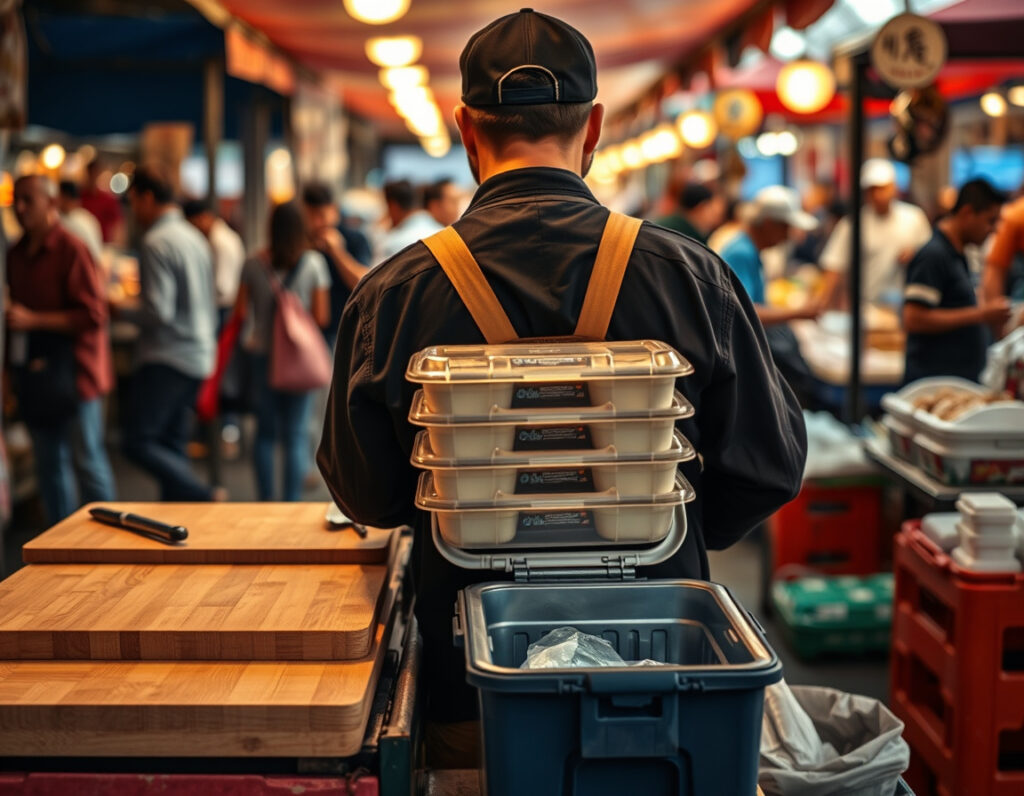
Cape Town’s street food culture has grown fast. On any given weekend, the Old Biscuit Mill in Woodstock draws hundreds of visitors, food trucks line the forecourts along Voortrekker Road in Bellville, and market traders at the Brackenfell Community Market are prepping before sunrise. These operators share one problem that the standard wholesale model was never built to solve: they need flexible, low-volume wholesale supply without being locked into minimum order quantities designed for hotel kitchens or hospital canteens.
A food truck running three nights a week does not consume the same volumes as a corporate canteen serving 300 covers daily. Pop-up vendors at events in Parow or along the Tygervalley corridor have short lead times, seasonal menus, and very little cold storage. For these businesses, a food distributor that operates rigidly is essentially useless, no matter how competitive their per-unit pricing looks on paper.
The gap between what wholesale food distributors traditionally offer and what mobile food businesses actually need comes down to four things: order frequency, minimum quantities, delivery scheduling, and the product mix. A vendor selling artisan wraps from a converted trailer near the N1 City Mall cannot commit to a 500kg dry goods order every fortnight. They need to order smaller, order more often, and change their product mix as their menu evolves.
The MOQ Problem for Mobile and Pop-Up Operators
Most bulk food distributors south africa set their minimum order quantities based on what makes logistical sense for large accounts. That logic is fair from a cost perspective, but it shuts out a growing class of food entrepreneurs who are, collectively, buying significant volume. A strip of five food trucks operating weekly out of the same Bellville parking lot represents a combined purchasing volume that any distributor should want to capture, even if each individual operator buys modestly.
Some distributors handle this through consolidated order windows, where nearby operators pool their orders to meet a combined MOQ. Others offer tiered pricing structures where smaller buyers pay slightly more per unit but still access wholesale-grade product. If your current supplier cannot explain how they accommodate small operators, it is worth asking food distributors in Cape Town about how their ordering model actually works in practice, not just what the brochure says.
Delivery Logistics Across the Mitchells Plain and Parow Corridors
Geography matters a lot when you are running a mobile food business. The coordinate range stretching from Mitchells Plain through to Parow and up toward Kraaifontein covers a mix of dense residential areas, light industrial zones, and high-traffic arterials. Deliveries along the N2 extension toward Mitchells Plain hit different traffic realities than a drop-off near the Okavango Road business park in Brackenfell.
Delivery scheduling flexibility is not a luxury for hospitality operators in this part of the city. A market trader at a Saturday morning event near Parow North needs stock on Friday afternoon, not Monday. A food truck that parks near the Tyger Waterfront on weekday lunch service cannot accept deliveries during the exact window they are cooking. These are real operational constraints that good food distributors account for by offering early morning, late afternoon, or split-delivery options.
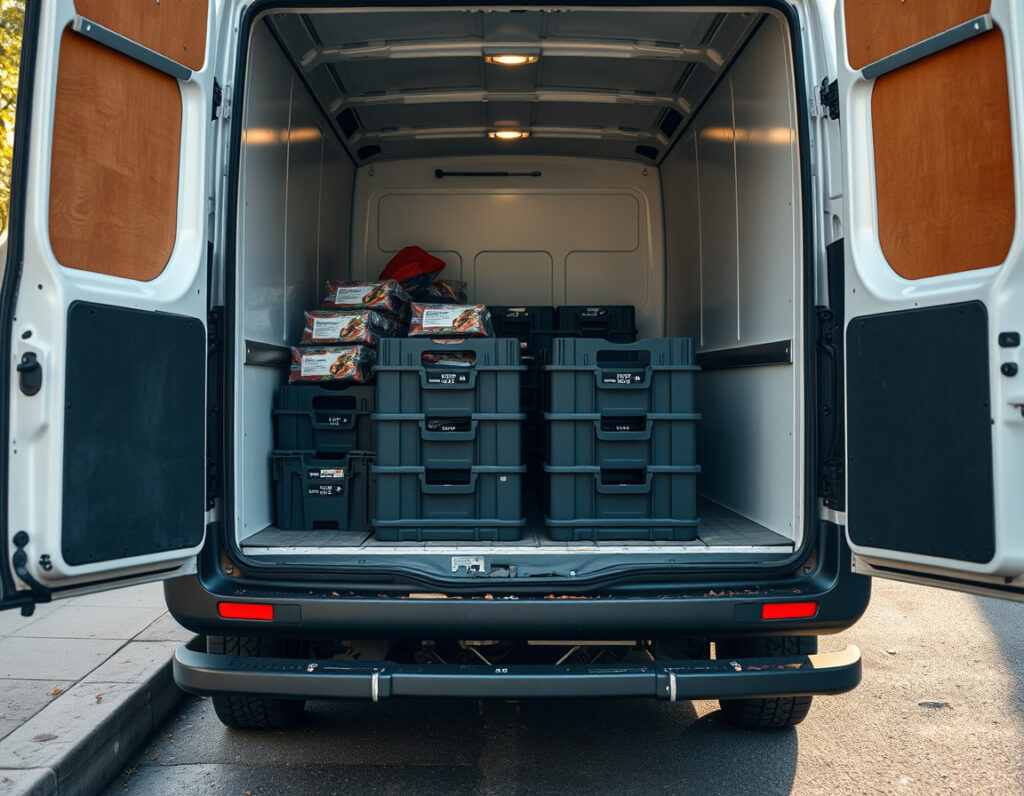
It also matters how bulk food suppliers handle temperature-sensitive items during delivery. A chilled protein delivery sitting in an unrefrigerated van for three hours while the driver completes a route across the Cape Flats is a food safety problem, not just an inconvenience. Cold chain integrity during the last mile is where a lot of distributors cut corners, and it is the first thing a pop-up vendor should ask about before signing any supply agreement. South Africa’s Department of Agriculture, Land Reform and Rural Development provides food safety guidance that outlines minimum cold chain requirements suppliers are expected to meet.
What Traders Near Voortrekker Road Should Look For
The stretch of Voortrekker Road running through Bellville and into Parow is one of the busiest commercial corridors in the northern suburbs. Traders operating from this zone, whether from a fixed market stall or a mobile setup, deal with intense foot traffic but also heavy morning delivery congestion. A catering food supplier that books deliveries between 7 and 9 AM into this corridor is going to be unreliable more often than not.
Operators here benefit from distributors who offer confirmed delivery windows rather than vague AM/PM slots. Some of the better food distributors south africa-wide are moving toward GPS-tracked delivery notifications that let buyers know a truck is 30 minutes away, which is particularly useful for vendors who do not have a fixed premises to wait at. If you want to understand how technology is shifting distributor logistics, the role of technology in food distribution efficiency is a useful starting point.
Product Mix and Range Requirements for Hospitality Street Food Operators
Food truck menus in Cape Town change. A vendor might run a bunny chow concept through winter and pivot to a lighter Mediterranean wrap menu when summer brings tourists back into the city from Cape Town International and through the Atlantic Seaboard. The product range a wholesale food supplier needs to carry to serve this segment is genuinely broad: ambient dry goods, chilled proteins, beverages, sauces, packaging consumables, and often some frozen items.
Most distributors specialise. Some are strong on dry goods and ambient products but weak on chilled. Others carry a strong frozen range but cannot reliably supply fresh produce. For a pop-up operator who needs a single consolidated order rather than four separate supplier relationships, finding a distributor with genuine range depth matters more than price per unit. Fragmented supply chains cost time, and time is the one thing a one-person food truck operation does not have.
There are also category-specific considerations. A vendor selling beverages at market events near the Brackenfell Mall needs a supplier who understands beverage distribution in the northern suburbs and can supply chilled stock consistently, especially during the summer peak when events cluster between November and February. A catering operator doing private events in Parow and Bellville needs a different product depth entirely.
Seasonal Demand Spikes and Short Lead Times
Summer in Cape Town creates a surge in outdoor events, food markets, and mobile food activity. The period from mid-November through late February is effectively a different operating reality for street food vendors. Orders go up, lead times compress, and the risk of a stock-out during peak service is highest. A distributor who can confirm next-day delivery for an emergency top-up order is worth considerably more than one with better standard pricing but a 48-hour minimum lead time.
Planning ahead helps, but the nature of pop-up events means operators often confirm bookings with short notice. Vendors who attend markets around the Kuils River area or pick up last-minute event slots near the N1 interchange need a distribution partner who can respond rather than just process orders on a fixed weekly cycle. Reading about bulk food distribution during Cape Town’s peak summer season gives a clearer picture of how to plan stock around this window.
Frequently Asked Questions
Can food trucks and market vendors in Cape Town access wholesale pricing without meeting large MOQs?
Yes, though it depends on the distributor. Some suppliers offer tiered pricing where smaller accounts pay a modest premium per unit but still access wholesale-grade product. Others allow nearby operators to consolidate orders to reach a shared MOQ. It is worth asking any prospective supplier directly how they structure accounts for mobile or low-volume buyers before assuming you will be locked out of competitive pricing.
What should a pop-up food vendor ask a distributor before placing their first order?
Four things matter most: the minimum order value or quantity, the available delivery windows and whether they can accommodate non-standard times, how cold chain integrity is maintained during last-mile delivery, and whether the product range covers everything you need or requires you to maintain multiple supplier relationships. Getting clear answers on these before committing saves a lot of friction once you are operating at full speed.
How do I find a food distributor near Bellville or Parow that works with small hospitality operators?
Start by looking for distributors who explicitly mention flexible order structures or who list food trucks, caterers, and market vendors as client types. National distributors with Cape Town depots often have account managers who handle smaller hospitality accounts separately from their large commercial accounts. On the Run Marketing Cape Town can connect operators in the Bellville, Parow, and surrounding areas with distribution partners suited to lower-volume, higher-frequency supply needs. You can also browse the full FAQ section for more answers on how distribution accounts are structured.
Running a food truck or market stall in Cape Town’s northern suburbs is a real business, and it deserves a supply chain that treats it as one. On the Run Marketing Cape Town works with operators of all sizes across the Bellville, Parow, Brackenfell, and Mitchells Plain corridors to connect them with distribution partners who actually fit how they buy. If you are tired of being turned away at the wholesale gate or stuck with a supplier who cannot deliver when you need them to, get in touch with the team and let’s sort out a supply arrangement that works for how your operation actually runs.